
Last updated November 25, 2026
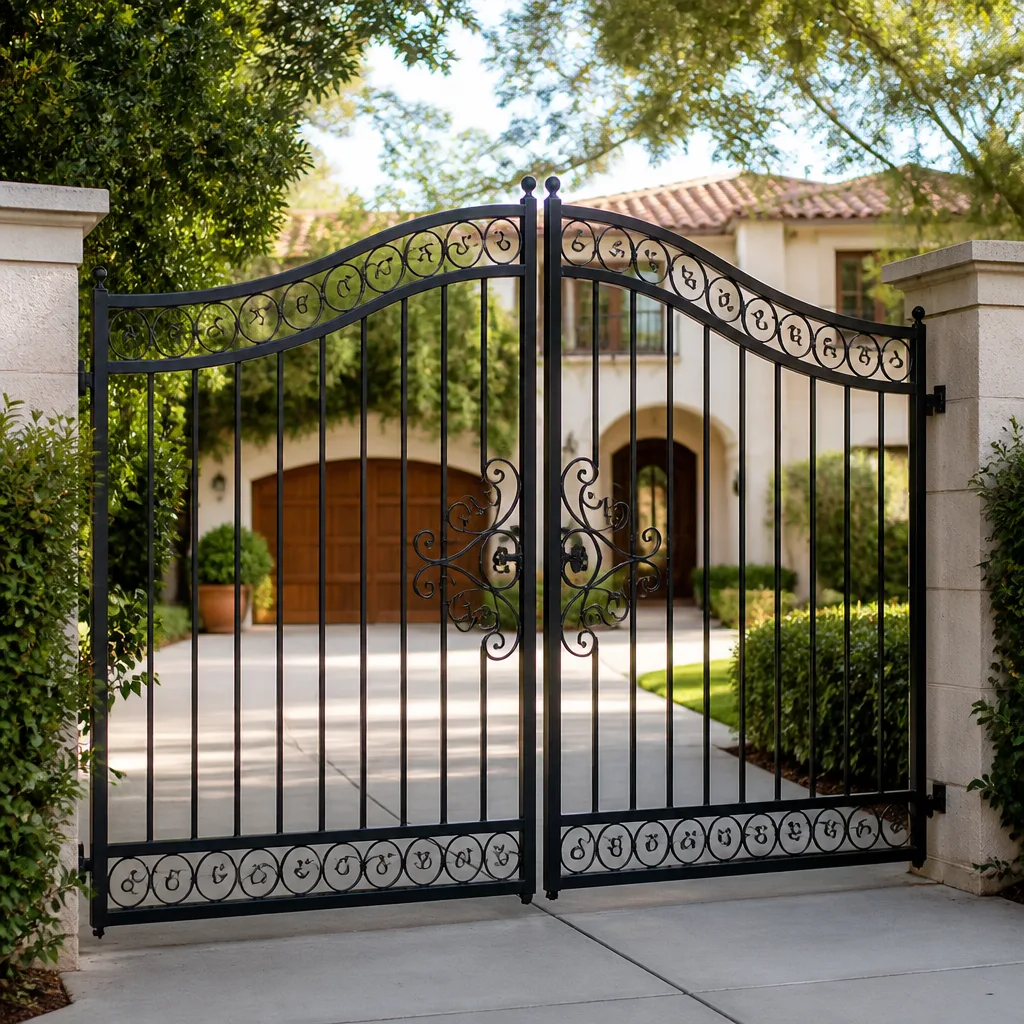 Wrought iron
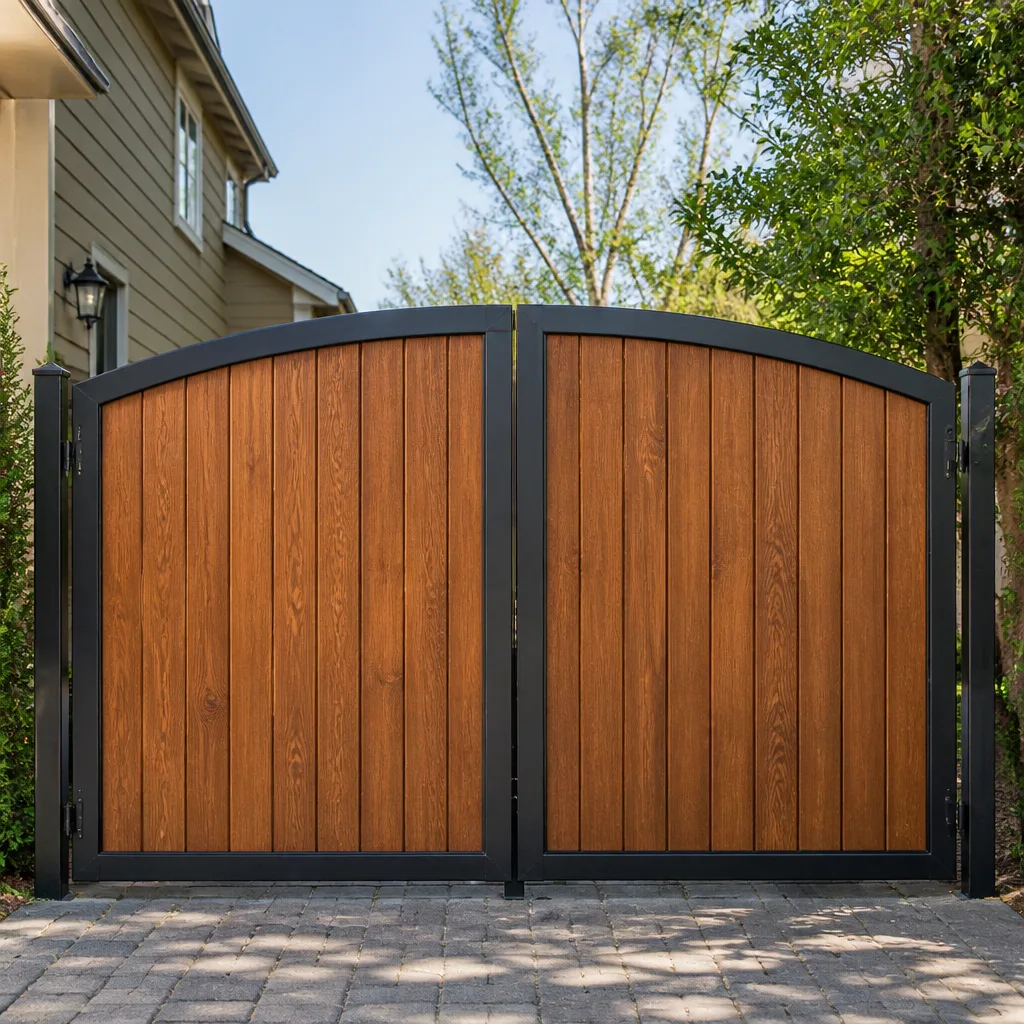 Wood & steel frame
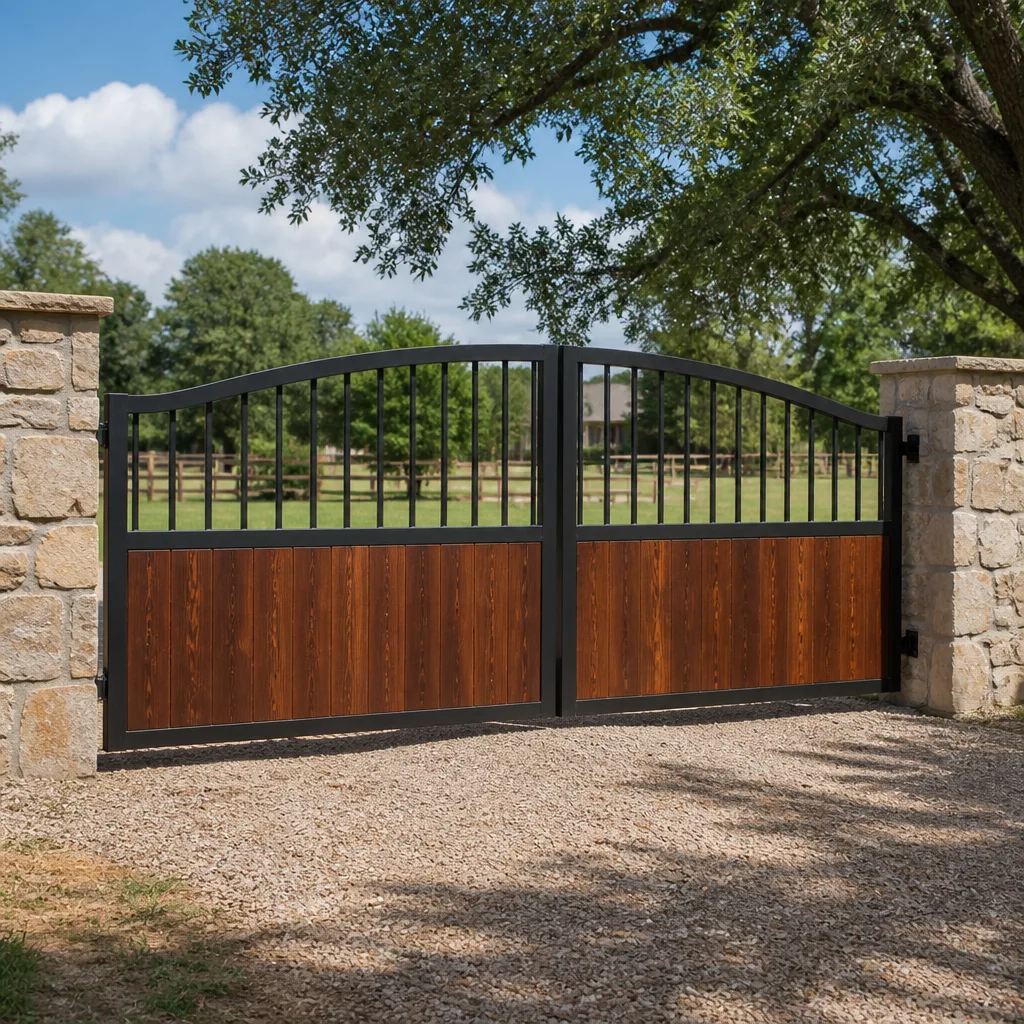 Farm & ranch
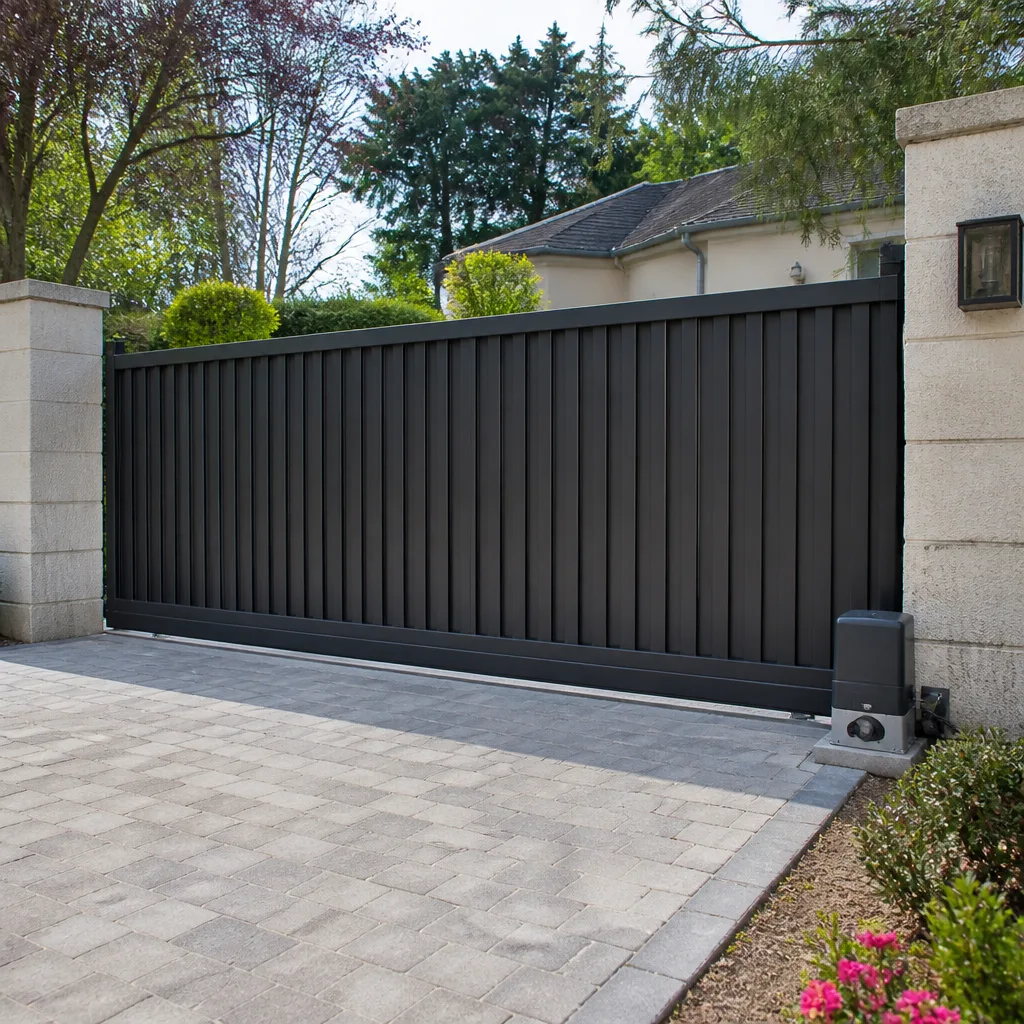 Sliding driveway gates
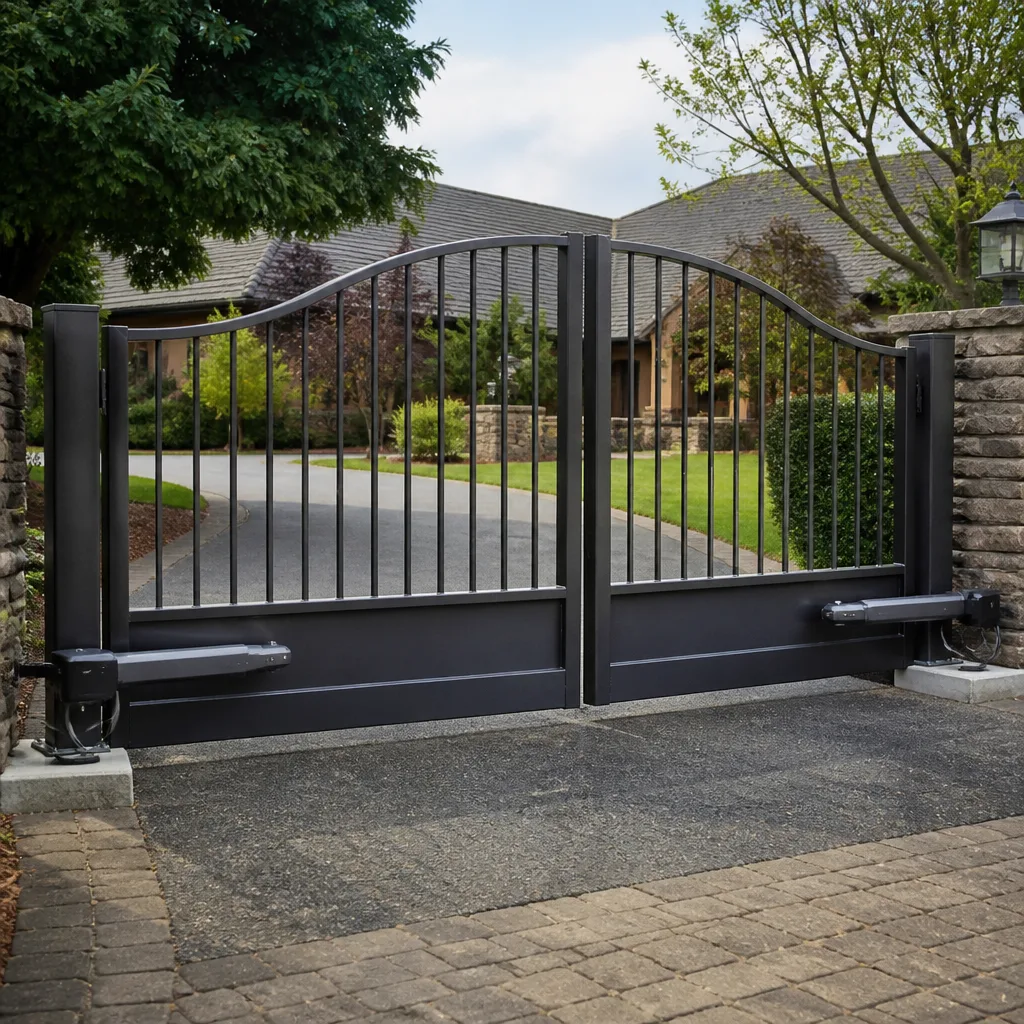 LiftMaster operators
Free on-site gate assessment - hinges, posts, and your LiftMaster or Nice gate operator checked before anything is quoted
The assessment is free and the quote is the invoice.
Get your free estimateGate Repair Emergency Preparedness Guide for Knoxville Homes
Most gate emergencies we hear about don’t start with a broken motor. They start with a person standing in their driveway, pressing buttons, and realizing they don’t know how to get the gate open by hand. Knoxville’s ice, summer storms and power outages all hit gate systems the same way: the gate stops where it is, and everything behind it stops with it. A gate stuck closed can block a car during a fire evacuation. A gate stuck open leaves an access-controlled property wide open to anyone walking by. This guide is about the ten minutes before a technician arrives. It covers manual release procedures, how to secure a gate that’s stuck open, what to have on hand beforehand, and what to tell us so we show up prepared.
Quick Answer
A gate emergency is handled in four moves: release the operator manually so vehicles can pass, secure the gate if it’s stuck open, call (855) 337-0860 and give the dispatcher the operator brand and model plus what the gate is doing, then stay clear of the gate while it’s in manual mode. We answer 24/7. Fast dispatch from 7am to 7pm, Sunday through Friday. Knowing your manual release location and your operator model number before anything fails is what turns a four-hour lockdown into a five-minute conversation.
Styles & brands we work with
- Wrought iron
- Wood & steel frame
- Farm & ranch
- Sliding driveway gates
- LiftMaster operators
Table of Contents
- Manual Release Procedures for the Four Most Common Knoxville Gate Operators
- How to Secure a Gate Stuck in the Open Position
- What to Tell the Dispatcher: Five Details That Get the Right Parts on the First Trip
- Power Outage Protocol for Battery Backup Systems
- Ice-Locked Slide Tracks and the Safe Manual Override Sequence
- The Pre-Emergency Kit Every Knoxville Gate Owner Should Have
- Where Safety Overrides Convenience
- A One-Time Maintenance Visit Does More Than a Panic Call
Manual Release Procedures for the Four Most Common Knoxville Gate Operators
Every automatic gate operator has a manual release. That’s the whole point of the design: when power fails or the motor locks up, the gate must be able to move by hand. The catch is that the release looks different on every brand, and the release you’ve practiced in your head isn’t always the one bolted to your gate. Here’s how the four operators we see most often in Knoxville work, in plain terms. Find yours on the control box label and learn the release before you need it.
LiftMaster
On LiftMaster units like the LA400 swing operator, the manual release lever sits on the top or side of the operator housing near the arm. You turn a release key, then flip or pull the lever to disengage the drive. Once released, the gate swings free by hand. Re-engage it by moving the gate back to the closed position and flipping the lever back. Never force the arm while it’s engaged.
FAAC
FAAC swing operators (the 400 series is the common one here) use a keyed release on the front face of the operator body. Insert the release key, turn it, and the pin disengages the drive so the gate swings. FAAC 400 models are hydraulically driven, so the gate moves with some resistance even when released; that’s normal, not a sign of a problem.
Viking
Viking operators, including the Viking 100 swing model, use a release key on the housing that disengages the gear drive when turned. Pull the release lever or remove the key depending on the model, then move the gate by hand. Viking units are common on residential driveways around Knoxville because they’re straightforward to service and the control board is easy to reach.
Apollo
Apollo 1500-series operators use a keyed manual release near the arm on the operator body. Turn the key to disengage the drive clutch, then move the gate by hand. When you’re done, re-lock the release fully before re-engaging power; a partially locked release is a common cause of a gate that “won’t move” on the next cycle.
If you don’t recognize your operator, don’t guess. Take a photo of the control box label, call us, and we’ll identify it and walk you through the release over the phone. That’s the fastest path for any gate repair call, and it’s how we keep a first visit productive.
How to Secure a Gate Stuck in the Open Position
A gate stuck open is the quieter emergency, and on a controlled property it’s usually the more serious one. An open gate means the perimeter the access system is supposed to enforce no longer exists. Anyone can drive in. On a residential driveway your vehicles are exposed; on an HOA or multi-unit property, the management chain has a real problem on its hands until the gate closes. The fix is to secure the gate without harming the operator, and that’s simpler than it sounds if you keep two things in mind: use something the gate can’t damage, and don’t put any force into the drive mechanism.
Temporary locking methods that won’t hurt the operator
- Chain and padlock across the gate stiles. If the gate is manually released, chain it shut across the two leaves and padlock the chain. Once the operator is re-engaged, the chain is removed before the gate runs again.
- A padlock through the gate’s own latch hole. Many swing gates have a latch or drop-bolt hole you can pin with a heavy padlock. This restores physical security without touching the drive.
- Manual release re-engagement plus a padlock. Re-engage the operator so the gate is held in position mechanically, then add a padlock to whatever latch point the gate has. This is the cleanest option because the operator’s own gearing is doing the holding.
- A portable barrier or chain across the driveway. If the gate is fully off its track or jammed, use a temporary barrier and post a notice on the gate so visitors know the access system is under repair.
What not to do
Never strap or chain a gate to a vehicle bumper and drive off. Never wedge a board into the motor housing to hold the gate. Never lock a gate that’s still engaged to its operator from the opposite side of a swing with a strap that puts tension on the arm. All three damage components and turn a repair into a full replacement. If a gate is jammed because a drive gear has failed, leave it stationary and call a technician who can work on the brand already on your gate. Our gate motor & opener work covers disengaging, securing and repairing operators so a temporary hold doesn’t become a permanent problem.
What to Tell the Dispatcher: Five Details That Get the Right Parts on the First Trip
When you call an emergency gate line, the person on the other end is building a parts list before a technician rolls. The difference between a first-call fix and a second visit is almost always the information you give on the phone. We’ve seen enough Knoxville gates to know what questions to ask, but here are the five details worth having ready.
- The gate type. Swing or slide, single or double leaf, residential or commercial access. That answer alone narrows the operator family and tells us whether we’re likely dealing with a drive gear, a limit switch, or a control board.
- The operator brand and model. “It says Viking on the box” is enough to start. The model number on the control box label tells us exactly which release and which control board you have.
- What the gate is doing (and what it isn’t). Won’t move at all, moves partway and reverses, runs in the wrong direction, opens but doesn’t close, makes a grinding noise, or the motor hums but nothing moves. Each of those points to a different failure, from a bad limit switch to a seized drive gear.
- The physical state of the gate right now. Is it stuck open, stuck closed, off the track, or leaning? For a slide gate, is the gate itself on the track, or has a roller come off? For a swing gate, is one leaf jammed against something?
- The power situation. Is the operator getting power at the control box, is the control panel lit, and does the property still have utility power? A dead outlet is not a dead operator, and knowing which one you have saves a trip.
If you don’t know the brand or model, take a photo of the label and send it. A gate specialist, not a generalist, will read a label and know the model. That’s how a first-call fix happens. Call (855) 337-0860 when the gate fails. We answer 24/7. Fast dispatch from 7am to 7pm, Sunday through Friday.
Power Outage Protocol for Battery Backup Systems
Most automatic gates have a battery backup, and the backup is exactly why a power outage shouldn’t be a gate emergency. When the utility drops, the operator’s internal battery takes over and cycles the gate a limited number of times. The trouble starts two ways: the battery was never tested, so it fails on the first cycle, or the property doesn’t have a backup and the gate is designed to fail closed. Both are avoidable with a little preparation.
What to check on a battery-backup operator
- Confirm the operator has a backup battery. The control box will have a battery tray or a battery terminal block. If yours doesn’t, the gate is designed to release manually, and your manual release is your only power-failure plan.
- Test the battery before it’s needed. Once a year, trip the breaker to the gate for a few minutes during daylight, run the gate once, and turn the breaker back on. If the gate runs on battery, the backup works. If it doesn’t, the battery is due.
- Know the battery’s age. Backup batteries don’t last forever. If you don’t remember replacing yours, replace it the next time the gate is serviced. This is exactly the kind of preventive step we check on a repair visit.
- Keep the control panel accessible. The battery and its terminals live inside the control box. If bushes or a locked cover block access, you can’t test or replace it.
- Never rely on a dead backup during a gate emergency. If the battery is dead and the utility is out, release the gate manually and secure it. Don’t cycle the gate repeatedly on a dying battery; you’ll drain it and lock yourself out of the next cycle.
Around Knoxville, power failures come with summer thunderstorms and winter ice alike. A ten-minute annual battery test is the single best insurance against a residential gate that stops in the wrong position. When a battery does need replacing or the control board has seen better days, our gate installation and repair teams can replace the failed part and confirm the manual release works on the same visit.
Ice-Locked Slide Tracks and the Safe Manual Override Sequence
Ice is the most predictable gate emergency in this region, and slide gates fail on ice the same way every winter: the track fills, the drive gear tries to push the gate through it, and something gives. Usually the operator stalls, sometimes a drive gear strips, occasionally the gate comes off the track entirely. The safe sequence is to stop trying to move the gate with the motor first, then release it, then clear the track. Here’s the order, and it matters.
- Turn the operator off. At the control box, kill power to the gate. This keeps the drive from trying to push through ice while you work.
- Release the operator manually. Use your brand’s release, described in the manual release section above. Once released, the gate is free to move by hand.
- Clear the track before moving the gate. Chisel or scrape ice from the track by hand, or use a heat source carefully to loosen it. Don’t use a steel tool on the track’s drive gear or rail teeth.
- Move the gate by hand. Push a slide gate slowly along its track, watching the rollers and the track end stops. If it won’t move freely by hand: stop, don’t force it, and call a technician.
- Secure the gate and stay off the operator. Leave the gate in the position that best protects the property, chip ice again as needed, and stay off the operator until the track is clear.
- Re-engage the operator only after a clean test. Once the gate moves freely by hand and the track is clear, re-engage the release, restore power, and run the gate one full cycle. If it grinds or stalls, disengage again and call for repair.
Never expect the operator to push a gate through ice. That’s a drive gear failure waiting to happen. And never pour hot water on a frozen track that the drive gear will ride on; meltwater refreezes and you’re back at step one by nightfall.
The Pre-Emergency Kit Every Knoxville Gate Owner Should Have
The single most common reason a gate emergency turns into a long, frustrating day is that the person at the gate can’t find the release key or doesn’t have the operator’s model number. Both are small physical items, and both can be assembled now, before anything fails. Keep a small kit together in the same place: the manual release key that came with your operator, a spare remote (programmed and tested), a card with the operator brand and model number written on it, and our number, (855) 337-0860. Here’s where to keep each item and why.
Where to store each item
- Manual release key. Not in the garage, not in the glove box, and definitely not hanging on a hook inside the house behind a locked door. Keep one on the same keyring as the house key if possible, and one in a locked key box near the gate. If you own the property, order a spare release key for your operator model; they’re inexpensive and replaceable.
- Backup remote. A programmed spare remote stored in the house saves you a trip to the gate on a bad night. Keep a spare exit remote in the glove box of each vehicle parked inside the gate, plus one in the house.
- Operator model number card. Write the brand, model number and control box location on a card and keep it in the emergency kit. This is the single detail that gets a technician to your gate with the right release and control parts on the first call.
- Emergency contact. Our number on the same card, plus the property manager or gate vendor for commercial systems. If you rent or live in an HOA, add the board or manager’s number so someone can authorize a repair on the spot.
For a commercial property or HOA, the kit belongs in the same place your access control documentation lives, and every property manager should know where. We work with access systems built on DoorKing, Linear, Ghost Controls and the other brands already on your gate, so if the kit lists any of those, the conversation on the phone is much faster. Our Knoxville gate repair specialists cover the whole system: hardware, automation and the access panel. From the motor to the access panel, we’ve got a single point of contact.
Where Safety Overrides Convenience
Some gate failures are inconvenient. A few are genuinely dangerous, and those need a different response. A residential swing gate carries a lot of weight, and a slide gate moves along a track with a drive gear that will not stop for a person. The dangerous situations aren’t the ones where the release key is missing; they’re the ones involving power, moving parts, and gate panels that are heavier than they look.
Do not do this yourself
- Don’t open the control box on a powered system. The control panel handles line voltage. If the operator is live, leave it to a trained technician. Even after you’ve killed power at the breaker, confirm the battery-backed controls are dead before you touch anything inside.
- Don’t prop, wedge or force a gate that’s leaning or off the track. A gate off its rollers or off its track can fall. Keep clear and call a professional.
- Don’t run the gate with kids, pets or vehicles in its path. Safety edges and photo eyes exist for a reason. If they’ve failed, that’s a repair priority in itself.
- Don’t release a gate on a slope and let it swing open. A released swing gate on a slope will move on its own. Have someone hold it, or block it before releasing.
- Don’t try to service the wiring, the access panel or the safety edges yourself. Access control wiring, motor wiring and photo-eye alignment are all electrician-grade work combined with gate-specific knowledge. A gate specialist, not a generalist, handles all three.
Our technicians have up to 13 years of experience, and if there’s one thing that experience teaches, it’s that a gate failure with real injury potential is worth a phone call, not an experiment. Call (855) 337-0860. We answer 24/7. Fast dispatch from 7am to 7pm, Sunday through Friday.
A One-Time Maintenance Visit Does More Than a Panic Call
Every emergency in this guide is easier if the gate has been looked at recently. That’s not a maintenance plan pitch; it’s one visit, priced per job, that catches the things that turn into a failure at the wrong moment: a battery that won’t take a charge, a manual release that’s rusted shut, a track full of grit, a control board with a loose terminal, a safety edge that’s stopped responding. A residential driveway gate or a commercial access system gets the same visit and the same level of expertise.
What we check on a maintenance visit:
- Manual release operation, on the exact model on your gate
- Backup battery condition and charge
- Gate track, rollers, hinges and stops
- Drive gear and limit switch operation
- Safety edge and photo-eye response
- Access control panel and wiring condition
Schedule the visit during a normal week, not in the middle of an ice storm. When the gate is healthy, we can service a Mighty Mule driveway opener or a multi-unit DoorKing access system in the same trip, without routing you to a brand-specific center. The visit is priced per job by the written estimate, done after we look at the gate. Nothing happens on your gate before the estimate is agreed.
Common Mistakes to Avoid
- Never store the manual release key inside the gate. A release key in a locked operator or the glove box of a car parked inside leaves you locked out of your own driveway. Keep a copy on your house keyring and another outside the gate.
- Never force a jammed gate with the motor. The drive gear will fail before the gate moves, and a stripped gear turns a simple repair into a motor replacement. Release manually, clear the obstruction, then test.
- Never treat a slide gate like a swing gate during a freeze. Push the gate through by hand first; if it won’t move by hand, don’t run the motor. This is a common winter mistake around Knoxville when a light freeze catches people off guard.
- Never call a general contractor for a gate failure. Gate systems have their own logic, control boards, and brand-specific release procedures. A gate specialist reads your operator label and knows the model; a generalist will be guessing.
- Never try to repair access control wiring or photo eyes yourself. The control panel carries line voltage, and a failed photo eye is a safety failure, not a cosmetic one. Call a professional who works on gates every day.
- Never leave a gate stuck open unattended without securing it. Chain or padlock the gate, or leave someone on-site until a technician arrives. A controlled property is not controlled with a gate open to the street.
- Never call an emergency line without your operator model. A dispatcher without the brand and model number is a dispatcher who can’t send the right part. Have the label photo ready before you call.
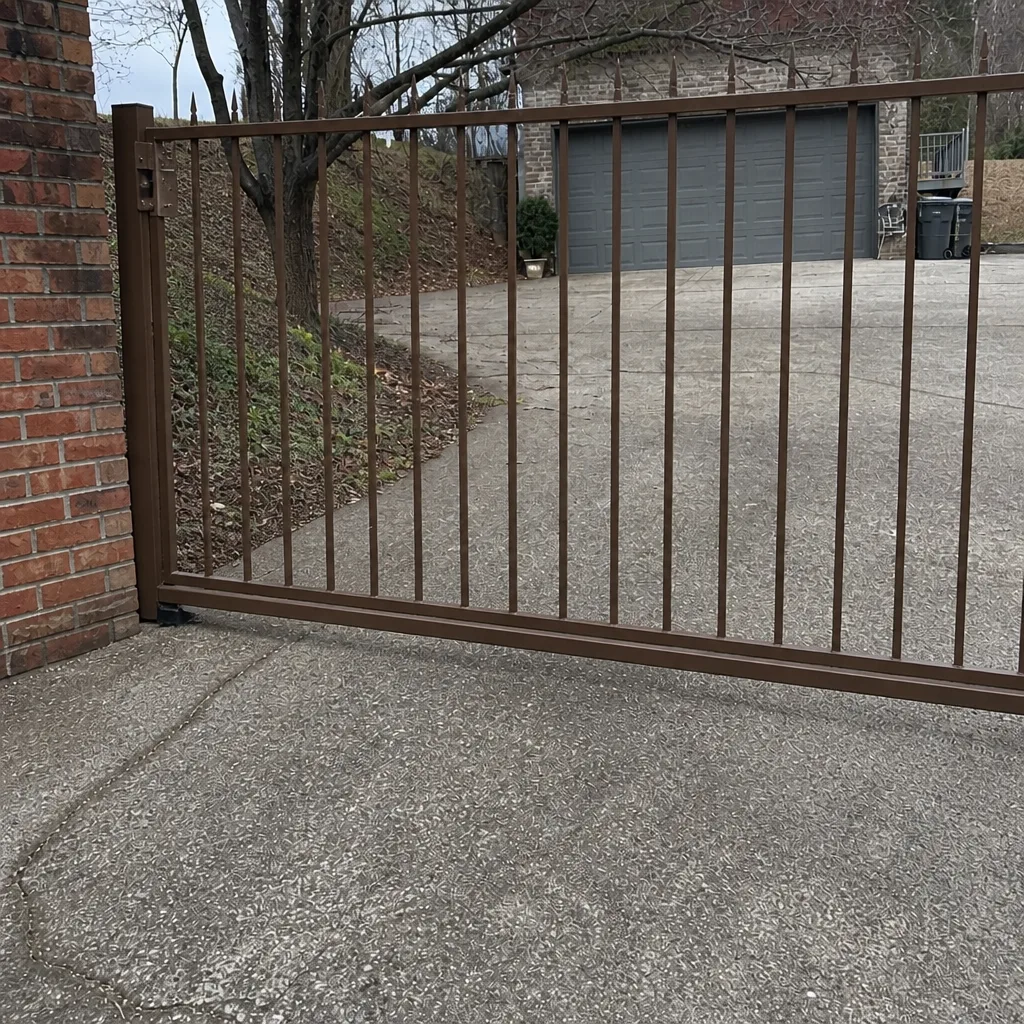
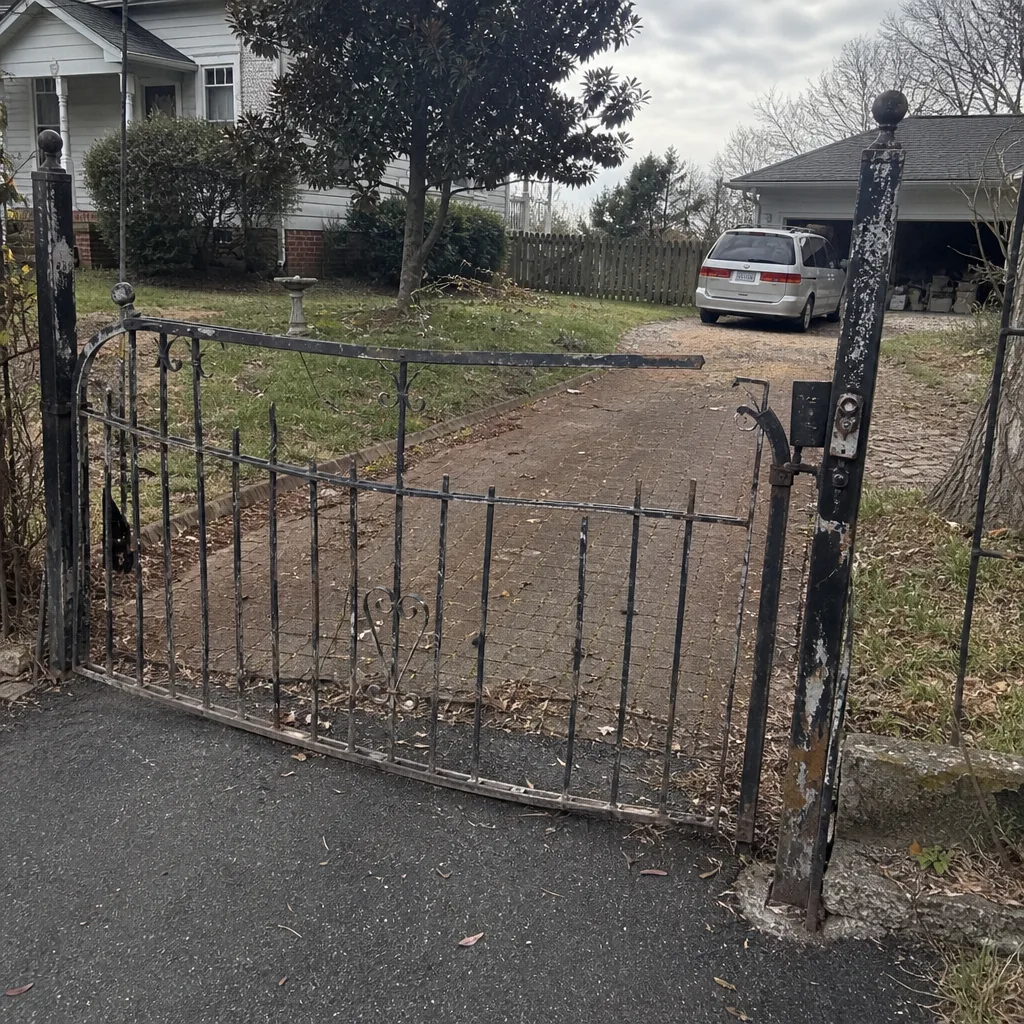
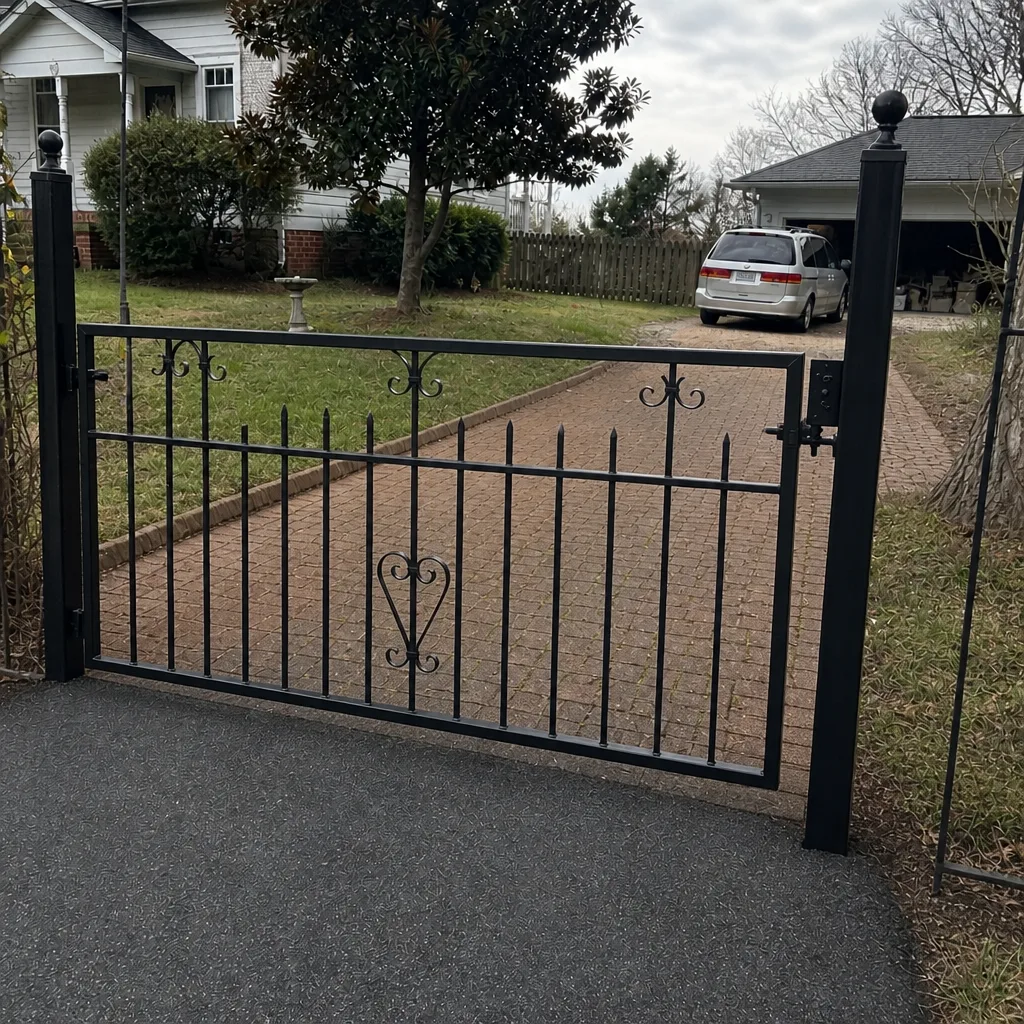
See the difference
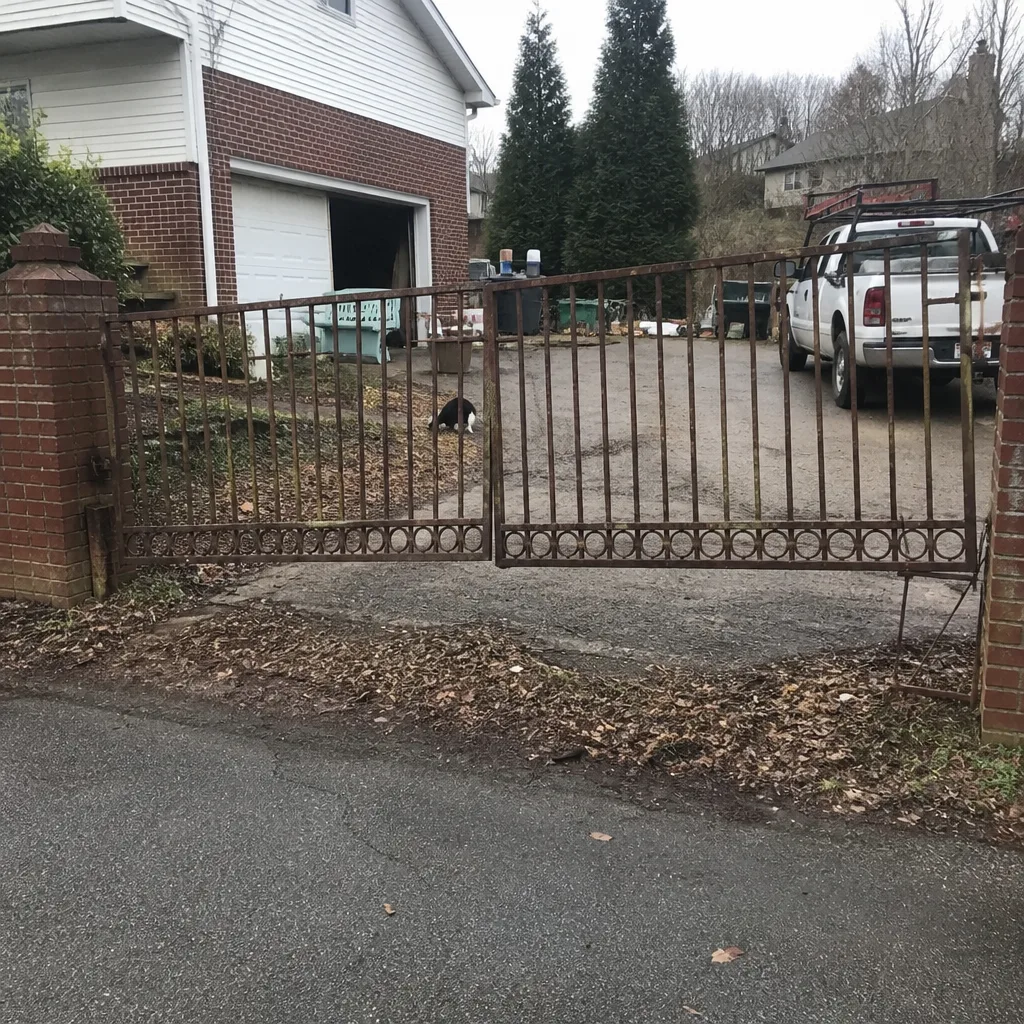 Before
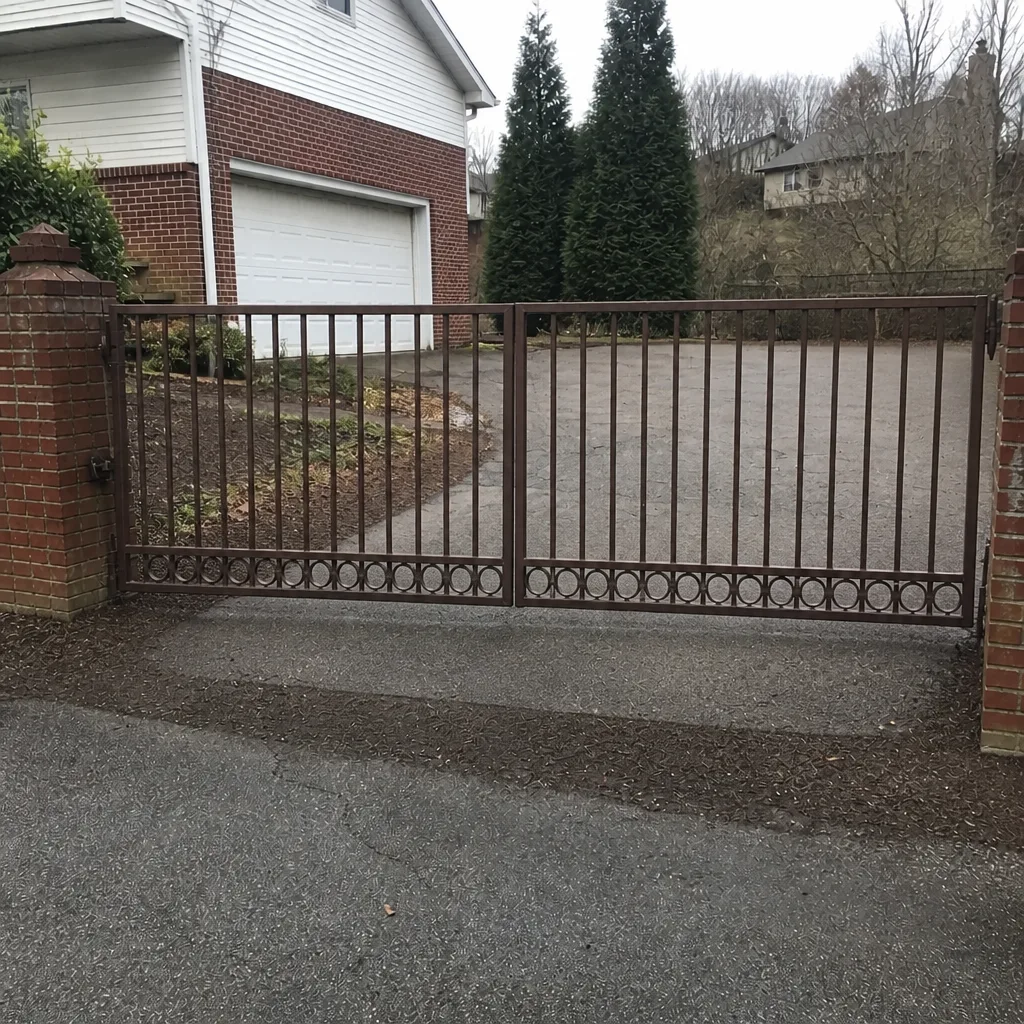 After
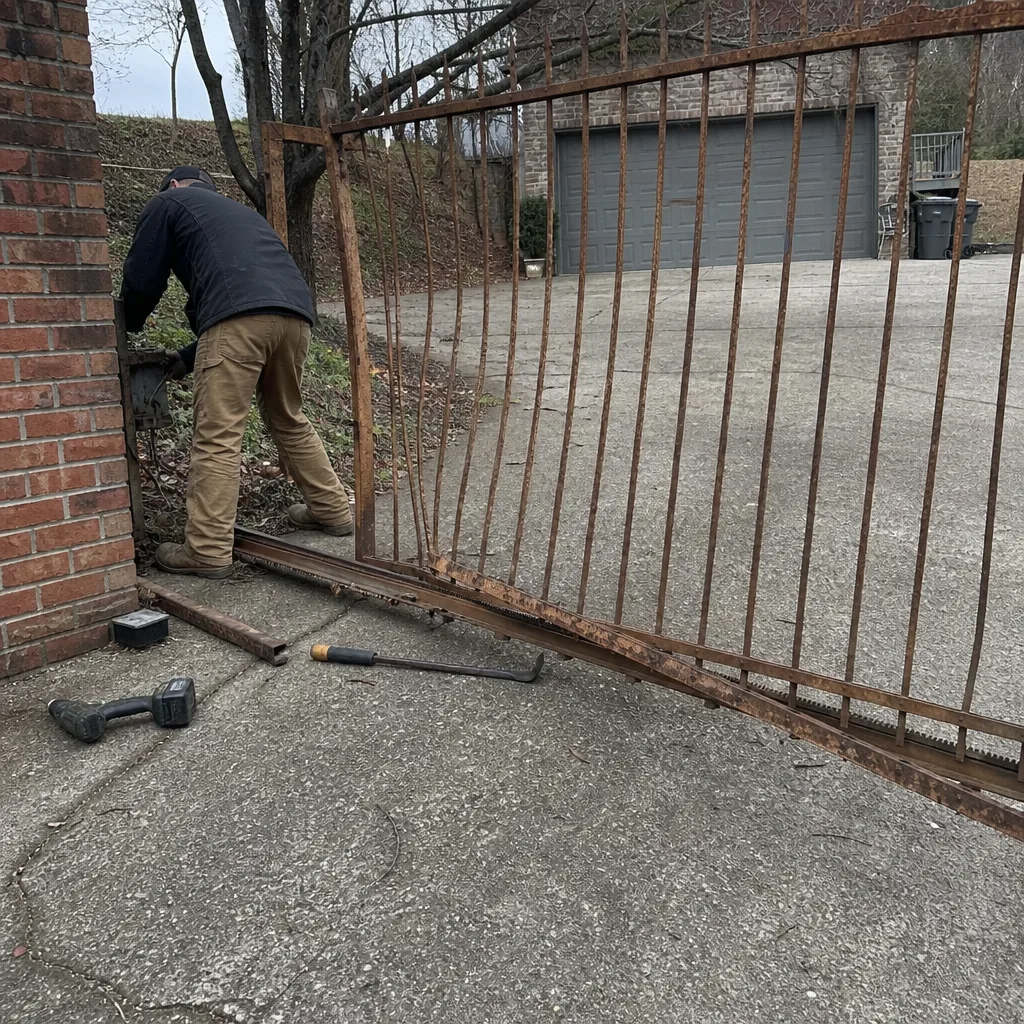 Before
 After
 Before
 After
When to Call a Professional
Call a gate technician when the gate won’t move by hand after a manual release, when the motor hums but the gate doesn’t move, when the gate has come off its track or its rollers, when the control box is dead after a power restoration, or when the safety edge or photo eye has stopped responding. Call immediately if you can’t get vehicles out of a driveway, if a commercial access system is stuck open, or if anyone has been locked in a driveway during an emergency. Call (855) 337-0860. We answer 24/7. Fast dispatch from 7am to 7pm, Sunday through Friday. Knoxville Gate Repair Pros offers free estimates in Knoxville: if the fix is a repair, we quote it before we start, and if the operator is beyond saving, we tell you plainly.
Frequently Asked Questions
Release the operator by hand at the manual release, then push the gate open. Every gate operator has a keyed or lever release on the operator body; find it, release it, and the gate moves by hand. If you don’t know the release on your brand, take a photo of the control box label and call (855) 337-0860. We’ll identify the model and walk you through the release. Estimates are free.
Tell them the gate type (swing or slide), the operator brand and model, what the gate is doing, the physical state of the gate, and the power situation at the control box. Those five details let a technician arrive with the right parts on the first trip. Call (855) 337-0860 for an exact quote after we look at the gate; estimates are free.
Yes, most gate failures are diagnosed and repaired the same day when the parts are on hand and the operator brand is one we service. We answer 24/7. Fast dispatch from 7am to 7pm, Sunday through Friday. A call outside dispatch hours is booked into the next opening, Sunday through Friday, 7am to 7pm. Call (855) 337-0860 for an exact quote.
Gate repair pricing depends on the failure, the operator brand and the parts required, so the written estimate sets the price per job. We don’t quote over the phone from a guess, and the work doesn’t start until you’ve agreed to the estimate. Call (855) 337-0860 to schedule; estimates are free.
It will for a limited number of cycles if the battery is healthy. Test the backup once a year by tripping the breaker to the gate for a few minutes and running the gate once; if it won’t run on battery, the battery is due for replacement. If the backup fails, use the manual release. Call (855) 337-0860 if the battery needs replacing or the control board won’t come back after power is restored.
Call a gate specialist. Gate operators and access systems have brand-specific releases, control boards and safety devices, and a specialist works on the brand already on your gate rather than guessing. We work on LiftMaster, FAAC, BFT, Linear, Viking, Ghost Controls, DoorKing, Elite and Mighty Mule systems, residential and commercial. Call (855) 337-0860. Estimates are free.
The Bottom Line
Gate emergencies are managed before they happen. Know your operator brand and model. Store the manual release key where you can actually reach it, outside the gate. Test the battery backup once a year. Secure a gate that’s stuck open rather than leaving it that way. When you call, give the dispatcher the five details that determine whether the right parts arrive on the first trip. When power, wiring or moving parts are involved, stop and call a gate specialist rather than a generalist. And when your gate fails in Knoxville, call (855) 337-0860. We answer 24/7. Fast dispatch from 7am to 7pm, Sunday through Friday. Estimates are free, and the price is quoted and agreed before any work starts.
Written by the team at Knoxville Gate Repair Pros.