
Last updated November 25, 2026
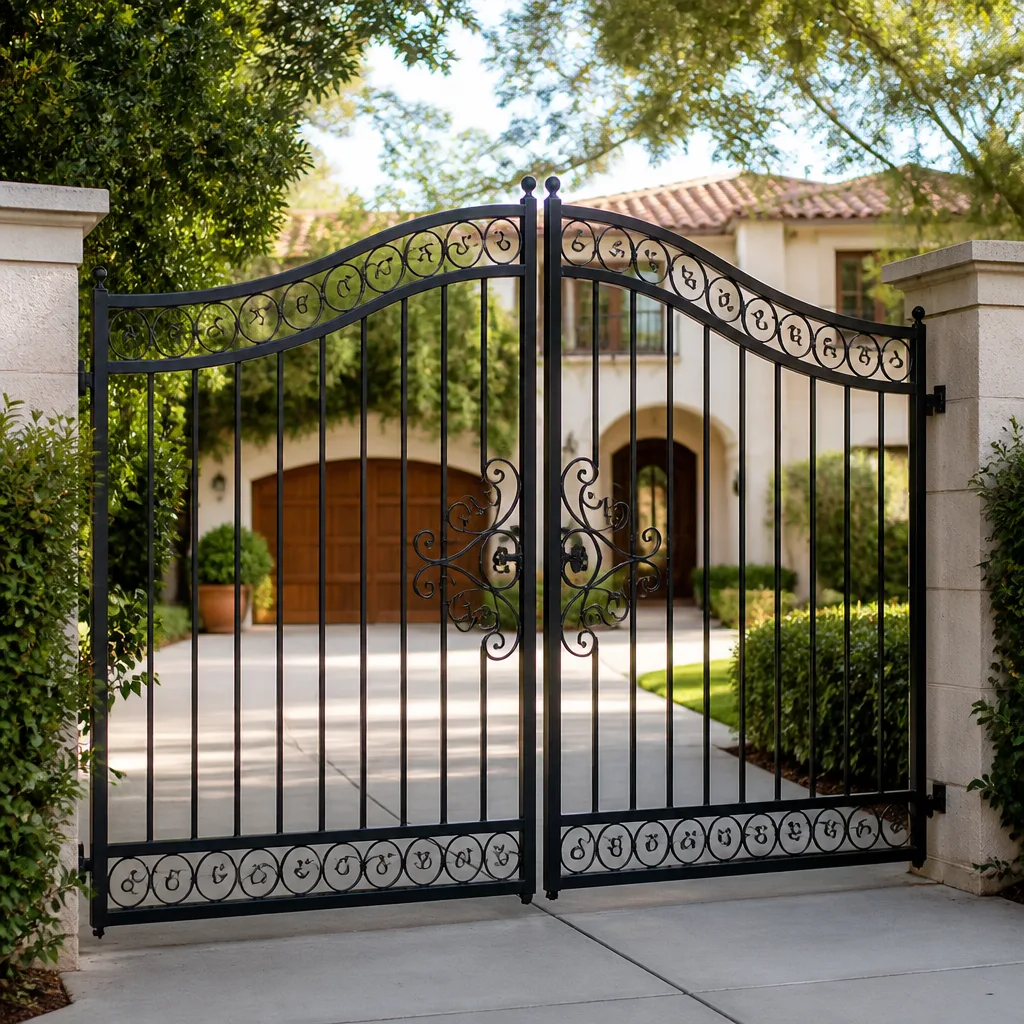 Wrought iron
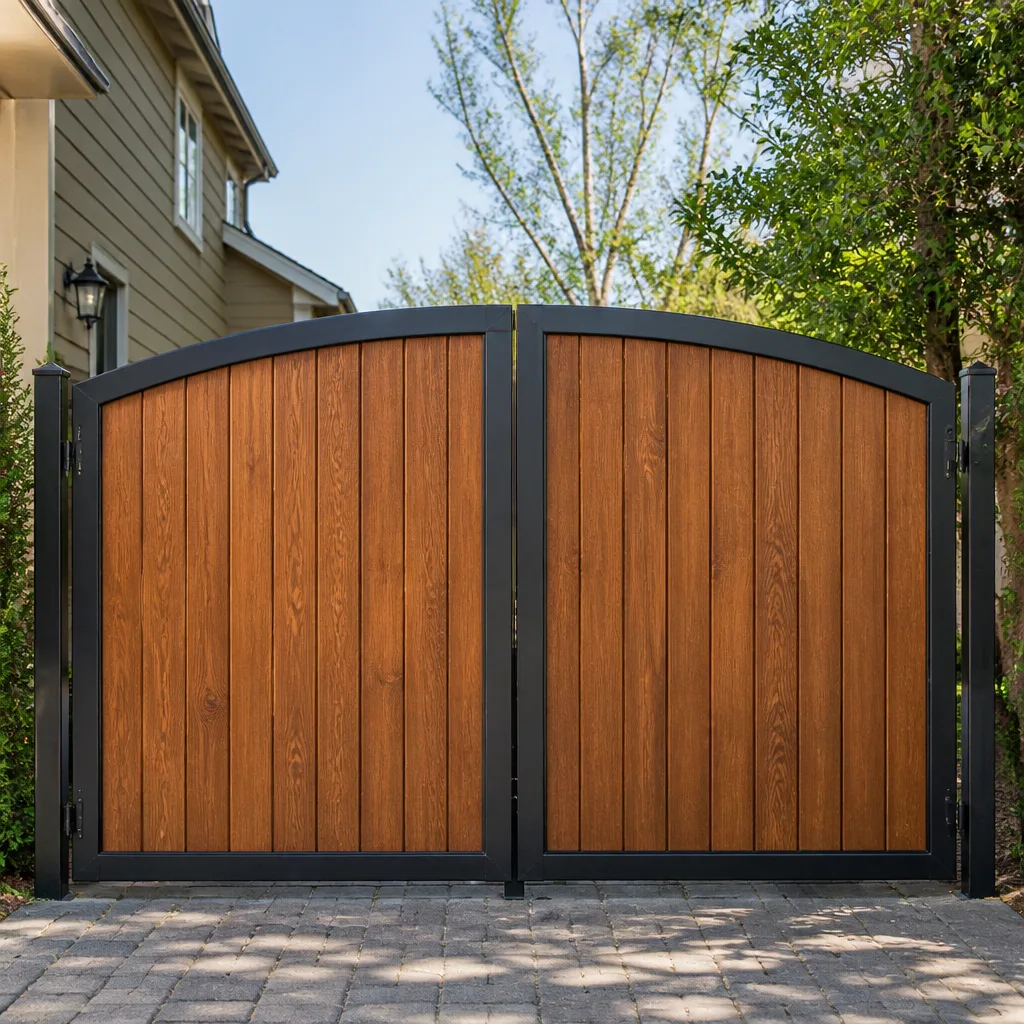 Wood & steel frame
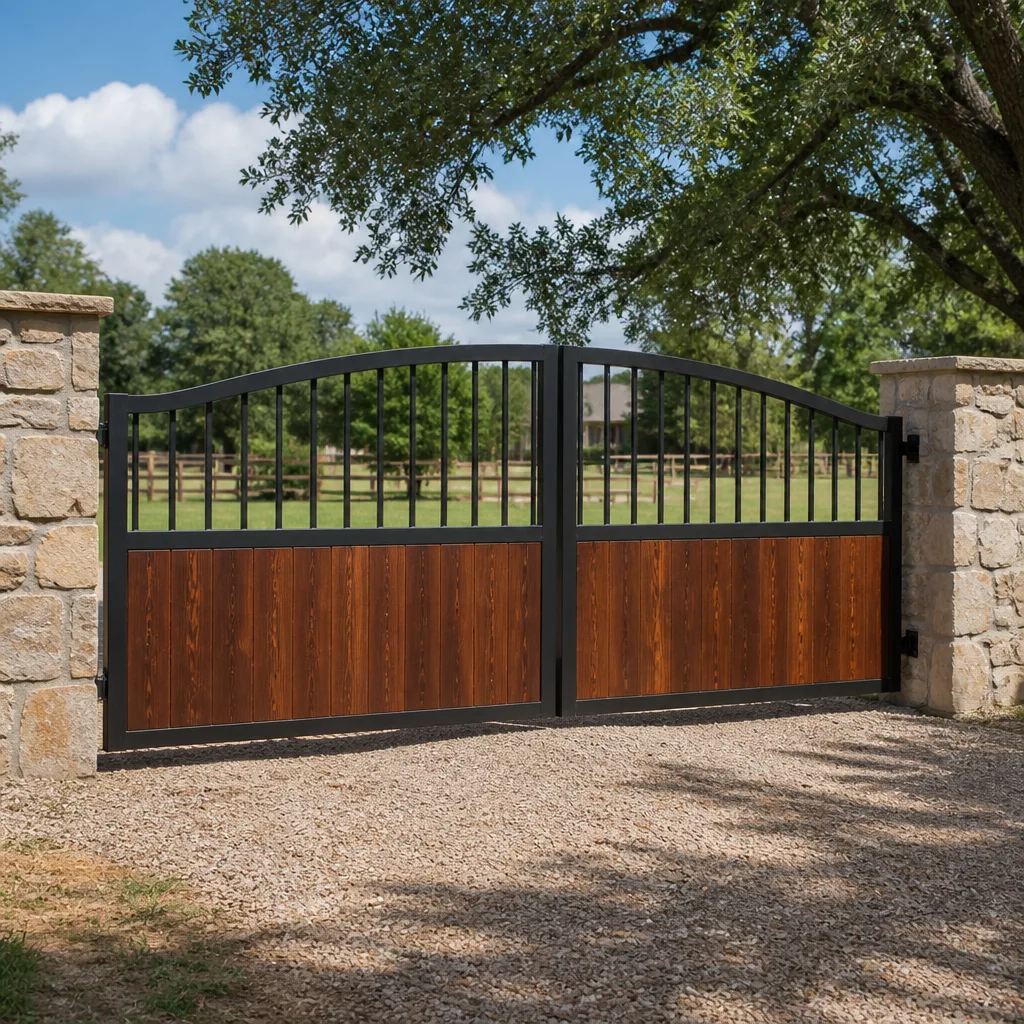 Farm & ranch
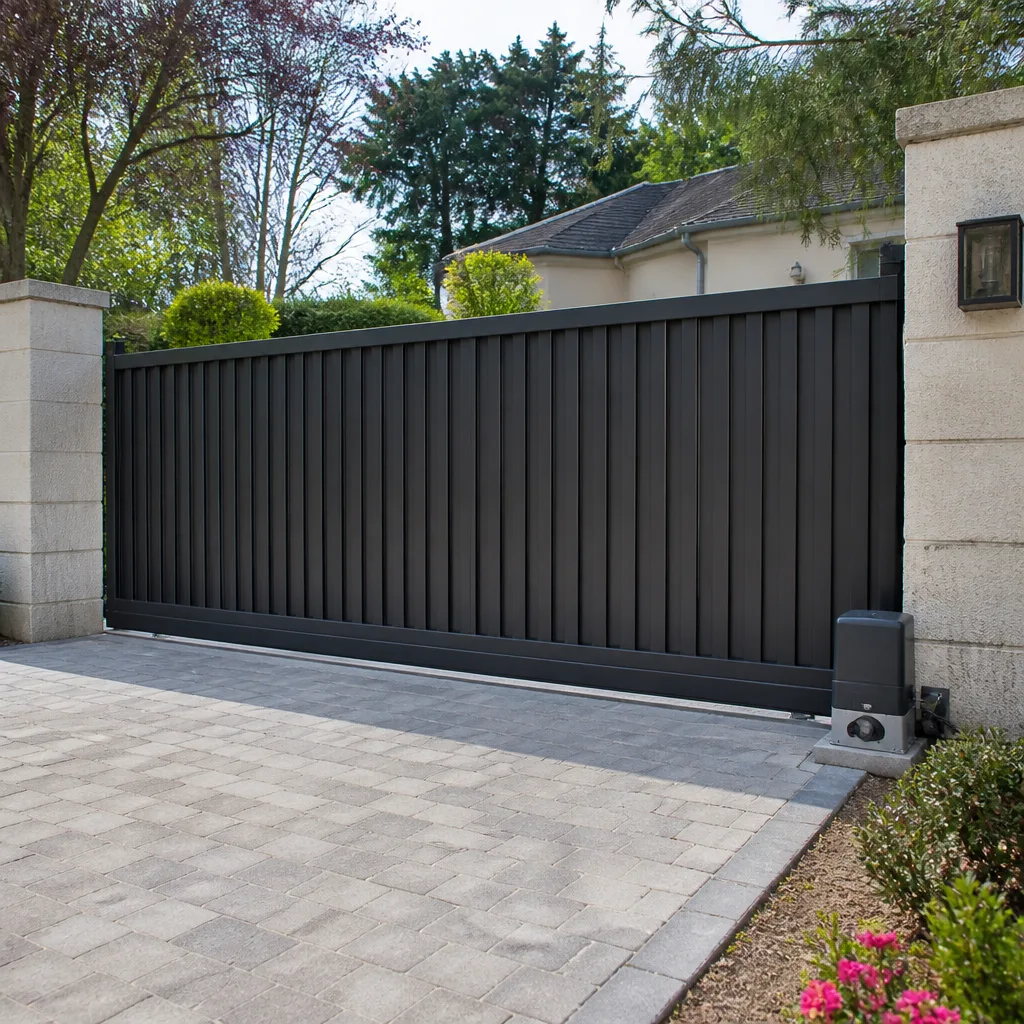 Sliding driveway gates
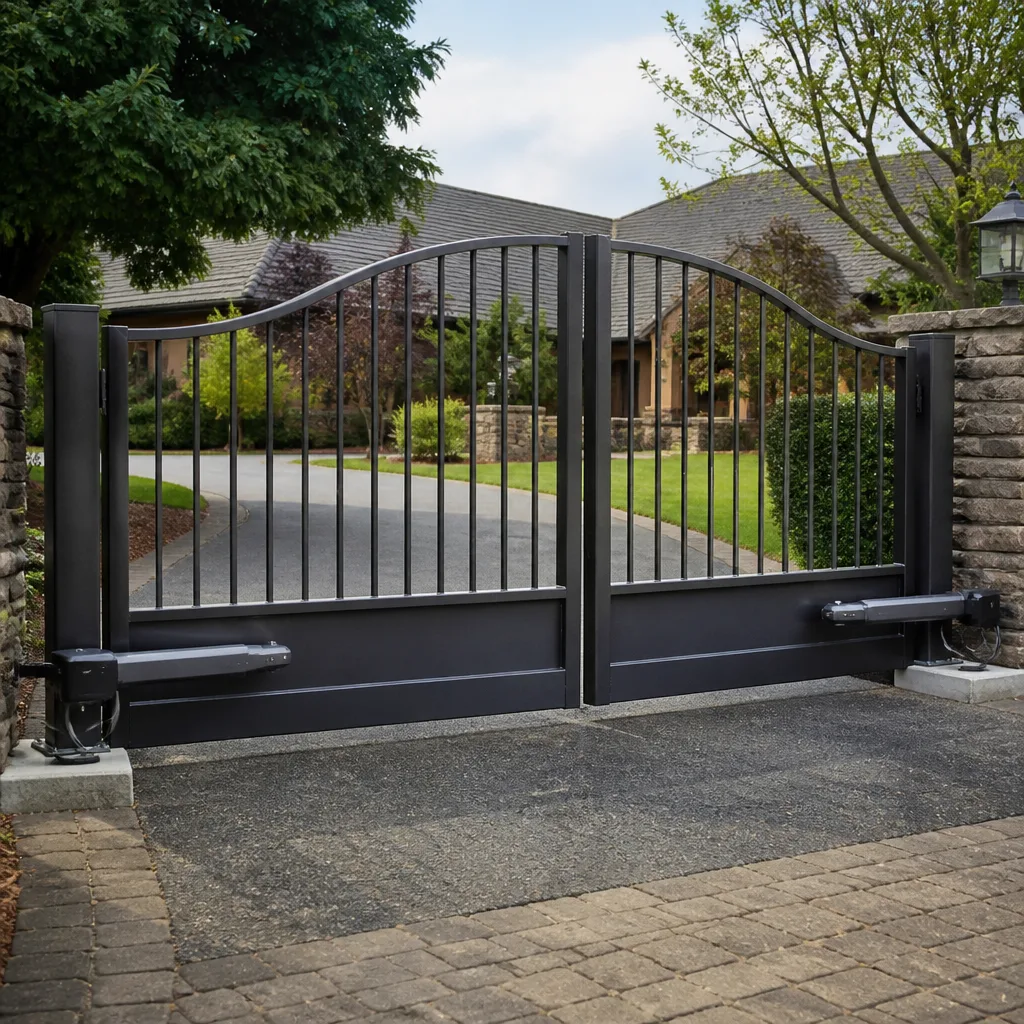 LiftMaster operators
Free on-site gate assessment - hinges, posts, and your LiftMaster or Nice gate operator checked before anything is quoted
The assessment is free and the quote is the invoice.
Get your free estimateSeasonal Gate Repair Care for Knoxville: Year-Round Homeowner’s Guide
Most gate owners save their attention for one big annual inspection. That’s backward. In Knoxville, gates fail in small, predictable moments that a five-minute task would have prevented, and the month on the calendar tells you which moment is coming. February is the clearest example. Gates don’t fail then because the cold is unusual. They fail because ice contracts inside a slide gate track, the gate binds, and the operator keeps pushing until the drive gear strips in a single morning. This guide breaks the Knoxville gate year into twelve months of small, specific actions, plus the seasonal failures behind them.
Styles & brands we work with
- Wrought iron
- Wood & steel frame
- Farm & ranch
- Sliding driveway gates
- LiftMaster operators
Quick Answer
Seasonal gate care in Knoxville works best as twelve small monthly tasks rather than one yearly overhaul. The highest-risk windows are February (ice binding slide tracks and stripping drive gears), spring pollen season (photoeyes and limit switches fouling), and the first hard freeze after a wet fall (battery backups that haven’t been load tested). Match the task to the month and most expensive failures never happen.
Table of Contents
- Winter: Ice, Footings, and Hinge Alignment
- How to Spot a Heaved Post Before It Overloads the Operator
- Spring: Pollen Fouling and Lubricant Washout
- Summer: Heat, Control Boards, and South-Facing Operators
- Fall: Leaf Debris and Pre-Winter Battery Testing
- The Month-by-Month Knoxville Task Card
- Common Mistakes to Avoid
- When to Call a Professional
Winter: Ice, Footings, and Hinge Alignment
Winter in Knoxville delivers the freeze-thaw cycle that does the most quiet damage to a gate system. Water gets into a hairline crack in the concrete around a hinge post, freezes, expands, and pushes. Do that through a handful of cold snaps and the post lifts a fraction of an inch. That fraction is enough to swing a gate out of plane, and once the gate is out of plane the operator is fighting the hinge instead of moving the leaf.
The ice problem most homeowners miss is in slide gate tracks. When a track fills with freezing water overnight, the gate binds. A modern operator doesn’t know the gate is bound. It just keeps applying torque until something gives, and the part that gives first is usually the drive gear or the limit assembly. If your slide gate feels stuck on a cold morning, stop and clear the track before you touch the remote.
Black ice on a sloped driveway compounds the risk. A gate that swings freely on a warm day can stall mid-travel when its wheels lose traction on ice, and the operator responds by straining against a load it wasn’t built for. Clear the travel path before you cycle the gate on a freezing morning.
What winter care looks like in practice:
- Clear ice and standing water from slide gate track channels before the first cycle of the day.
- Watch the hinge side of swing gates for a gap that opens or closes with the temperature.
- Listen for a grinder or whine on the first few inches of travel, which often signals a binding track or a misaligned hinge.
- Keep the operator housing clear of snow and ice so the control board can breathe and stay dry.
- Check that the safety reversal still trips when the gate meets an obstruction; ice can mask a failing safety device.
Ice, heavy panels, and moving parts are a genuine crush and pinch risk. Stay out of the gate’s travel path while it’s powered, and call a trained technician for anything involving the operator’s wiring or internal adjustments.
How to Spot a Heaved Post Before It Overloads the Operator
A heaved post is the most expensive winter failure because it doesn’t announce itself. It loads the operator gradually, and by the time the gate stops working the damage has already reached the drive train. Here’s how to catch it early:
- Open the gate fully and look at the hinge-side gap between the gate leaf and the post. It should be even top to bottom. A gap that’s wider at the top or bottom is a warning sign.
- Close the gate and check whether the latch or strike lines up without the operator having to push. Misalignment means the post has moved.
- Grab the post at waist height and try to rock it. Any movement beyond the flex of the panel itself is a problem.
- Run the gate by hand, if your operator allows manual release, and feel for a bind at the same point in every cycle.
- Check the concrete collar at the base of the post for cracks radiating outward. That’s where freeze-thaw damage shows first.
If any of those checks fail, stop cycling the gate under power. A post that’s out of alignment will eventually overload the motor or strip the gear, and the repair bill climbs with every cycle. This is also where brands like Viking and Ghost Controls behave differently: some operators are more forgiving of a slight bind than others, but none of them will tolerate a gate that’s fighting a heaved post indefinitely. A trained technician can confirm the post is the culprit before the operator takes the blame.
Spring: Pollen Fouling and Lubricant Washout
Spring in Knoxville throws two things at a gate: pollen and water. The pollen coating that settles on everything in April and May is a real mechanical hazard. It builds up on photoeye lenses, which are the safety sensors that detect an obstruction in the gate’s path. A filmed-over lens can cause intermittent reversal, phantom obstructions, or a gate that refuses to close. It also collects on limit switches and moving parts, where it turns into a sticky grit that accelerates wear.
East Tennessee’s spring rain patterns then do the second job. Lubricant on hinges, rollers, and the operator’s moving parts gets washed away, and a dry hinge turns into a stiff hinge within a few wet weeks. The fix isn’t to over-lubricate. Too much grease attracts grit. The right approach is a targeted re-lubrication of hinges, rollers, and the slide track channel on a schedule that accounts for the wet season.
Spring tasks that matter most:
- Wipe the photoeye lenses with a soft cloth after the pollen peak, and test that the gate reverses when the beam is broken.
- Check limit switches for pollen and grit buildup, and listen for a change in where the gate reverses at full travel.
- Re-lubricate hinges, rollers, and the slide track per the manufacturer’s recommendation after the wet stretch.
- Clear gutters and drainage near the gate so runoff doesn’t pool at the footings.
- Inspect the operator housing seal for water intrusion after heavy rain.
Photoeyes and limit switches are low-voltage safety components, but the operator’s control wiring is not something to probe without training. If a photoeye won’t clear or a limit switch is behaving erratically, that’s a technician call.
Summer: Heat, Control Boards, and South-Facing Operators
Summer is the season when a gate system reveals how it was installed. A south-facing operator housing in direct Tennessee sun can hit internal temperatures well above ambient, and modern control boards respond by throttling to protect themselves. That throttling shows up as a gate that moves slowly, stops partway, or refuses to cycle during the hottest part of the afternoon.
A black powder-coat gate in direct sun makes it worse. The gate itself heats up, the operator works harder against a heavier, expanded panel, and the combination pushes the thermal limits. If your gate stops on hot afternoons and works fine in the evening, heat is the likely culprit, not a dying motor.
What to do about summer heat:
- Check the operator housing for shade. A simple shade structure or repositioning the housing can keep the board below its throttle threshold.
- Confirm the factory thermal cutout is working, and don’t defeat it.
- Watch for a gate that hesitates or slows on hot afternoons; that’s a thermal symptom, not a signal to replace the operator.
- Keep the housing vents clear of debris so airflow isn’t blocked.
- Test the battery backup on a hot day too; heat stresses batteries as much as cold.
Control board work, motor replacement, and anything involving the operator’s power supply are technician territory. The voltages inside an operator are not homeowner-safe, and a board that’s overheating is often a symptom of a deeper issue with the drive train or the gate’s alignment. If your K
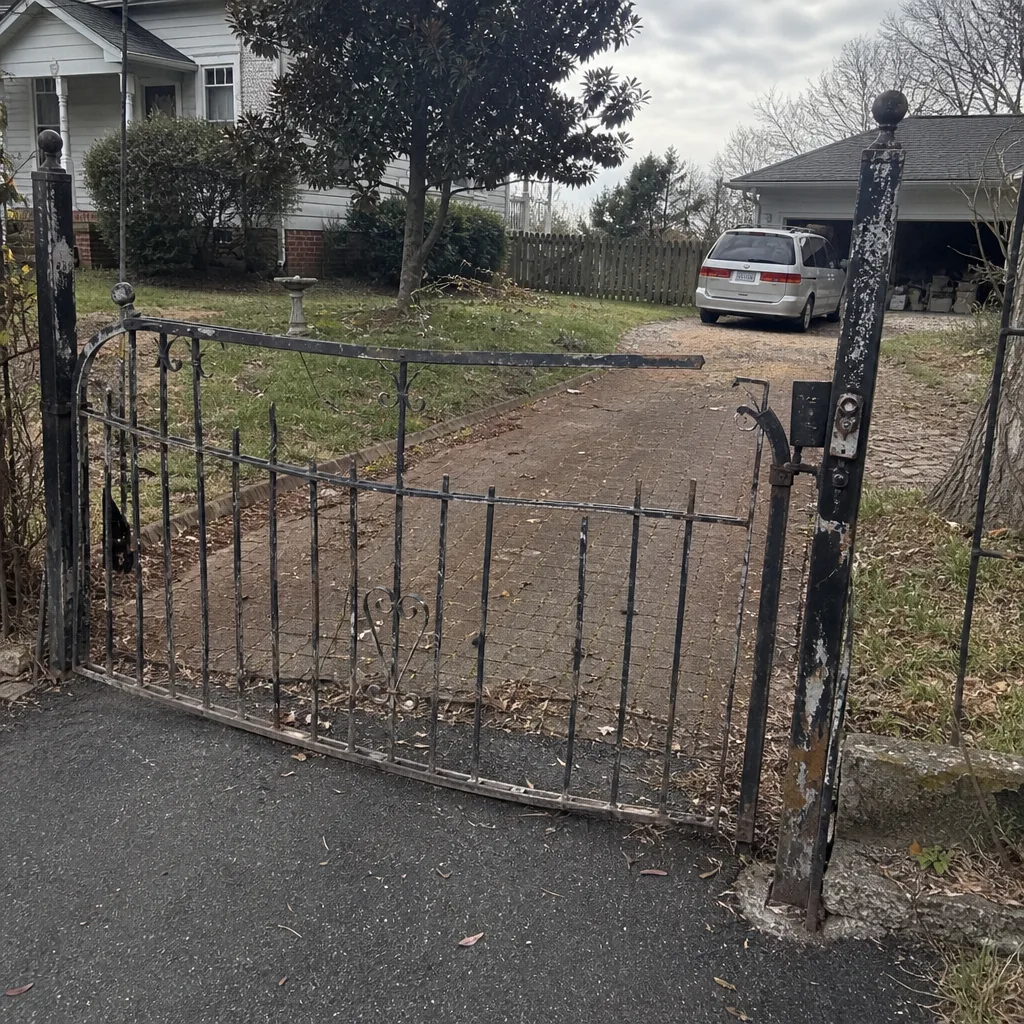
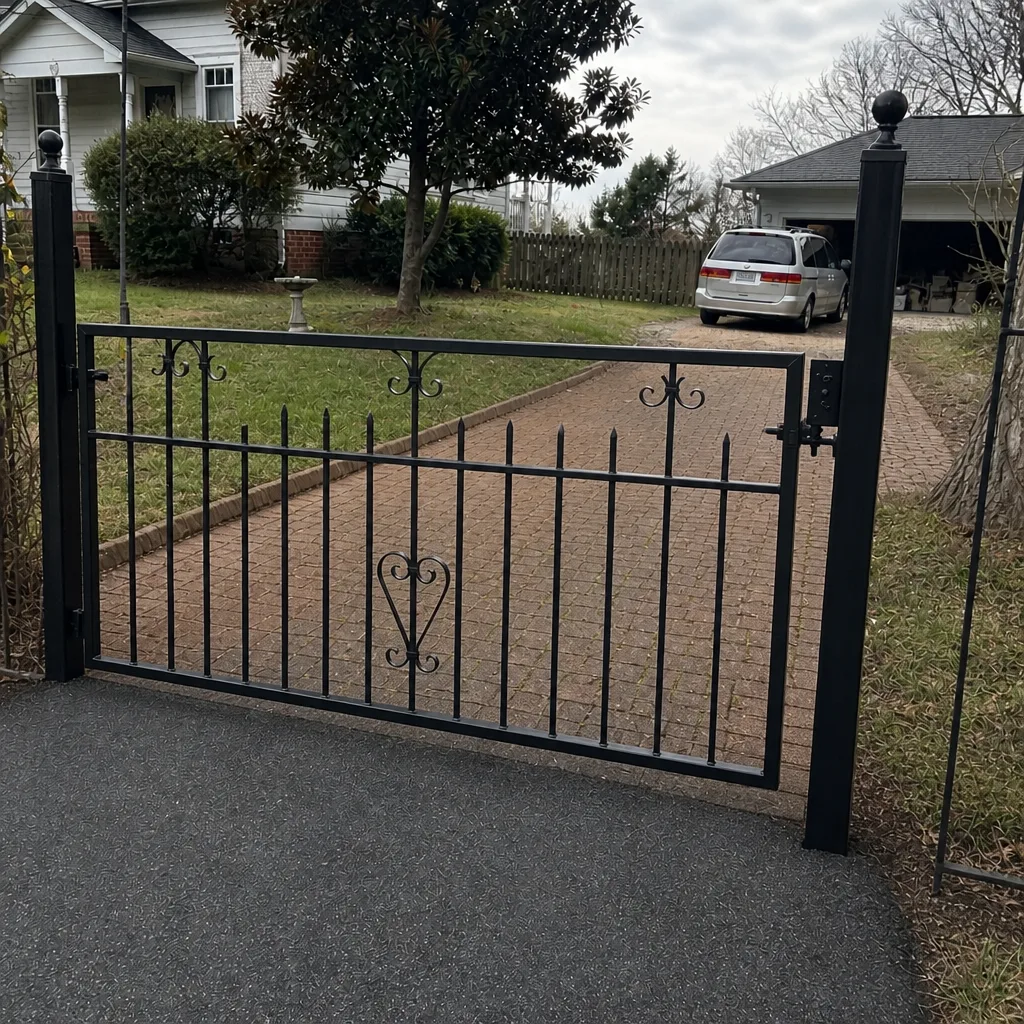
See the difference
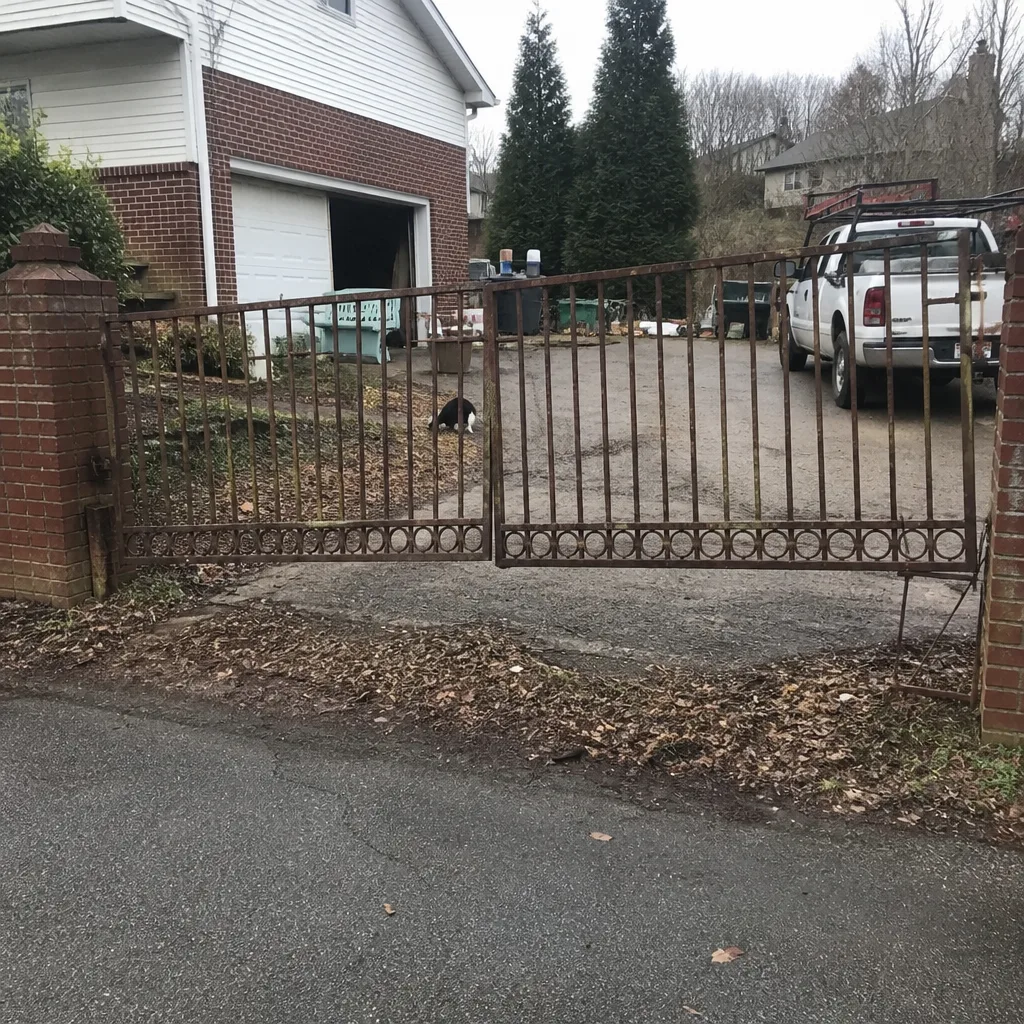 Before
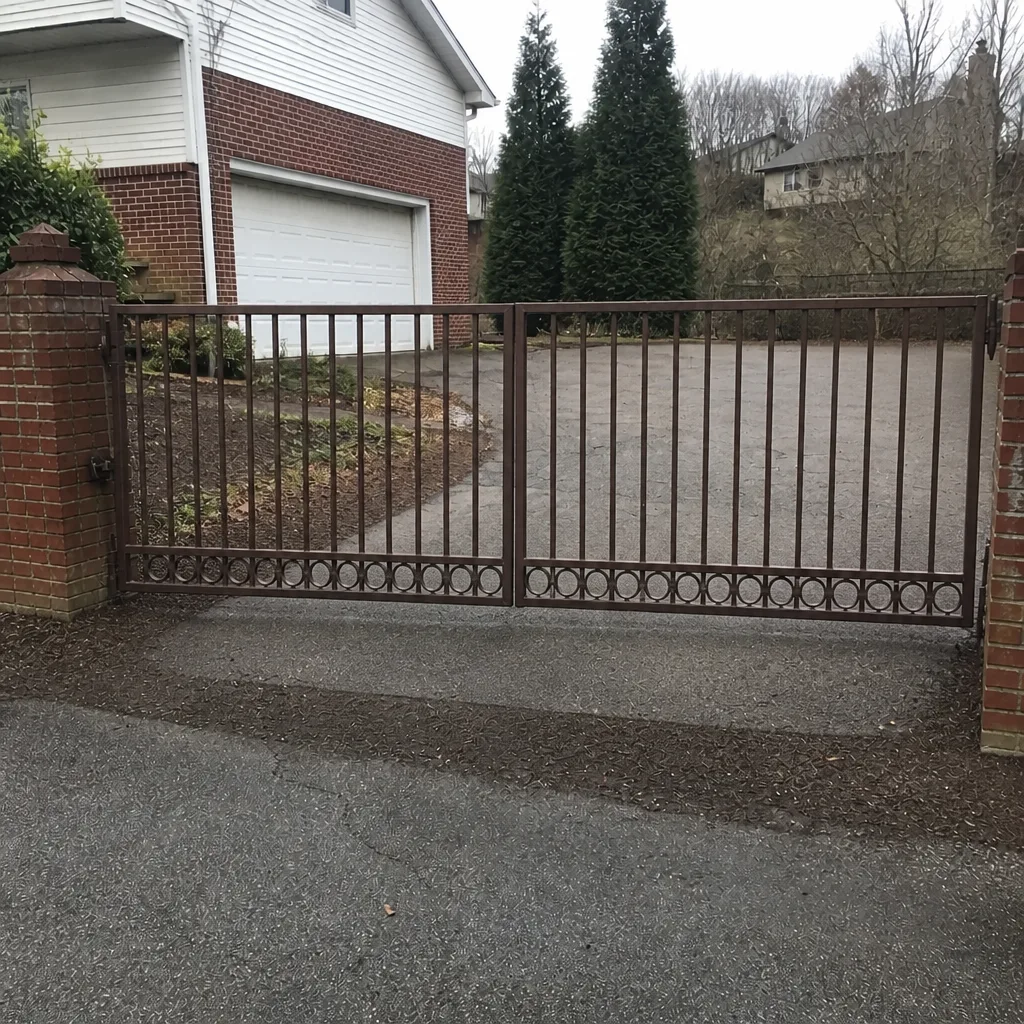 After
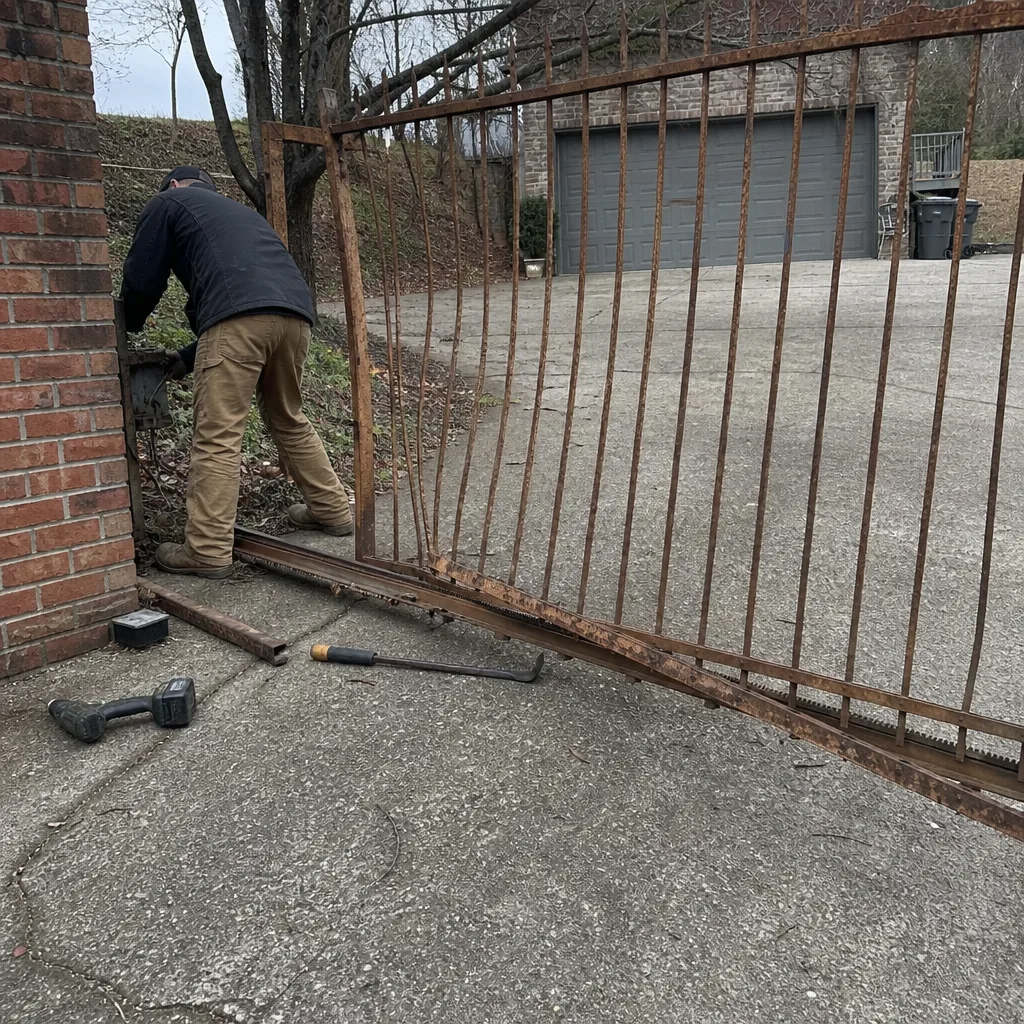 Before
 After
 Before
 After