
Last updated November 25, 2026
 Wrought iron
 Wood & steel frame
 Farm & ranch
 Sliding driveway gates
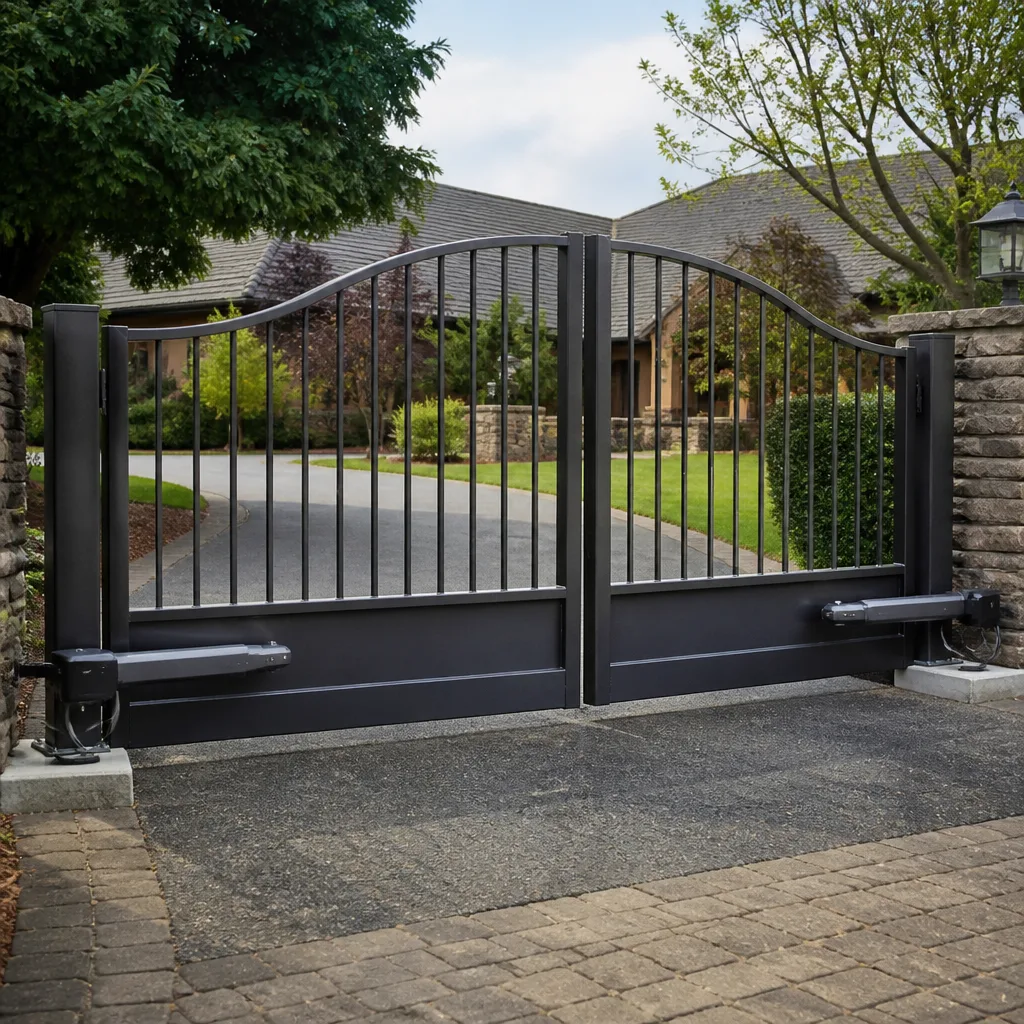 LiftMaster operators
Free on-site gate assessment - hinges, posts, and your LiftMaster or Nice gate operator checked before anything is quoted
The assessment is free and the quote is the invoice.
Get your free estimateGate Repair Troubleshooting in Knoxville: Common Problems and How to Fix Them
A gate that reverses before it closes and a gate that won’t move at all look like two different problems, but both are frequently caused by the same misaligned safety loop sensor. That’s the part most troubleshooting guides get wrong: they organize by symptom, so a homeowner throws parts at a control board that was never the issue. Gates fail by system, not by symptom, and once you learn to sort a failure into the right layer, most diagnostic guesswork disappears. This guide walks you through the five subsystems inside every automatic gate, the East Tennessee conditions that speed certain failures up, and the exact point where a reset is safe and a technician is the only sensible next call.
Quick Answer
Gate repair troubleshooting in Knoxville means testing your gate in a fixed order – power supply, then control board, then drive mechanism, then safety devices, then structural hardware – instead of chasing the symptom you see. Most failures land in the safety-device or control-board layer, and humidity-driven corrosion on terminal connections is a frequent Knoxville culprit that mimics a dead board. Anything that involves opening the control enclosure, live voltage, or the motor’s wiring is a job for a technician; a gate specialist, not a generalist, will stage the right parts before the visit.
Styles & brands we work with
- Wrought iron
- Wood & steel frame
- Farm & ranch
- Sliding driveway gates
- LiftMaster operators
Table of Contents
- The Five-Layer Subsystem Map
- Why Knoxville Humidity Mimics Control Board Failure
- Soft Limit vs. Hard Limit Faults on Swing and Slide Operators
- Safety Devices: The Layer That Causes Most Mystery Reversals
- What You Can Safely Reset Yourself
- How to Document Symptoms Before You Call
- Matching Your Gate Brand to the Right Repair Approach
- Seasonal Patterns for Knoxville Gate Failures
The Five-Layer Subsystem Map
Every automatic gate, whether it’s a driveway swing opener in a West Knoxville subdivision or a heavy slide gate at a commercial lot, breaks down into five layers. When you troubleshoot in order from power outward, you stop guessing and start eliminating.
- Power supply. Is the operator receiving correct voltage? A tripped breaker, a bad transformer, or a loose feed connection will make a gate seem brain-dead when the electronics are fine.
- Control board. The logic layer. It decides when to open, when to stop, and when to reverse. Corroded terminals, water intrusion, and failed relays all live here.
- Drive mechanism. The motor, gearbox, and the arm or chain/rack that actually moves the leaf. Groaning, slipping, or grinding points here.
- Safety devices. Photo eyes, safety loops, edge sensors, and the reversal logic that ties them together. This layer causes the majority of “it opens fine but won’t close” complaints.
- Structural hardware. Hinges, rollers, tracks, posts, and the leaf itself. A sagging gate can defeat a perfectly healthy motor.
The order matters because a power fault and a control fault can produce identical symptoms. Test power first, confirm the board sees the command, then move down the chain. That sequence is what we follow on every gate repair visit, and it’s why a proper diagnosis rarely takes long once a technician has the gate in front of them.
Why Knoxville Humidity Mimics Control Board Failure
East Tennessee humidity sits on outdoor electronics for months at a time, and gate control enclosures are not always as sealed as they should be. The result is a specific failure pattern: corrosion creeping across the terminal blocks and connector pins where wires land on the board. When that corrosion builds up, the board loses clean connections to the safety devices or the motor, and the gate behaves exactly as if the board itself has died. Homeowners replace boards that were never faulty. Then the new board corrodes the same way.
What that means for troubleshooting:
- Intermittent faults that clear on a dry day and return after rain are a strong signal for moisture in the enclosure, not a failing logic chip.
- A board that “works when I wiggle the wire” is telling you the connection is the problem, not the electronics.
- Green or white crust on terminal screws is corrosion you can see without opening the enclosure on some models; if you spot it through a vent or on an external terminal strip, the diagnosis is already pointing at the connection.
- Enclosures that face the afternoon sun and fill with humid air can trap condensation that never fully dries.
Corroded terminal connections sit inside the control enclosure, and that’s where the line gets drawn. We’re happy to coach you through the outside-the-box checks and we will not walk you into live terminals; the fix here belongs to a technician who can isolate power and clean or replace the landing points safely. Our technicians have up to 13 years of experience reading exactly this kind of fault, and up-front pricing means you know the cost before any work starts.
Soft Limit vs. Hard Limit Faults on Swing and Slide Operators
Limit switches tell the operator where the gate is allowed to travel. When one of them goes out of adjustment, the symptom depends entirely on what type of fault you’ve got – and the fix is completely different between the two.
Soft limit faults
A soft limit fault means the operator’s logic has lost its travel reference. The gate may run partway, stop, reverse, or overrun its end position slightly. On many swing operators, this happens after a power interruption that resets the board’s memory, or after someone bumps the arm. These faults are typically corrected by re-teaching the travel limits – a programmed reset, not a parts replacement. On a Mighty Mule or Ghost Controls swing opener, the operator manual’s limit-setting procedure is usually simple enough for a homeowner to follow.
Hard limit faults
A hard limit fault means the physical limit switch has failed or been struck, the cam that trips it has slipped, or the wiring to the switch has broken. The gate may not know when to stop at all – it runs to its mechanical stop and stalls, or it refuses to move in one direction while working fine in the other. Hard faults mean a physical component is gone. That’s a technician job because accessing the limit housing requires opening the operator, and the switch often sits next to live motor wiring.
Swing and slide operators handle this differently. Swing arms usually trip a limit against the operator housing; slide operators use a rack-mounted cam or magnetic switch array along the track. A misaligned slide cam is one of the most common causes of a gate that stops at the wrong point. Because the correction is mechanical, not logical, reprogramming alone won’t fix it. If a re-teach doesn’t hold, the fix is physical.
Safety Devices: The Layer That Causes Most Mystery Reversals
The single most common complaint – “it opens but won’t close” – usually comes from this layer, not the motor. Safety devices exist to stop the gate from closing on a person or vehicle, so when they misread, the gate refuses to close. That’s the design working as intended, just with a bad sensor.
- Photo eyes. A misaligned pair, a dirty lens, or a spider web breaking the beam will hold the gate open. Check that a climbing plant hasn’t grown into the beam path, and that both eyes still face each other squarely.
- Safety loops. A vehicle-detection loop cut into the driveway is a common commercial and larger residential installation. If the loop wire has been nicked by a shovel, a lawn aerator, or root growth, the sensor will read a permanent “vehicle present” and never let the gate close. This is the failure the opening paragraph described: it looks completely different from a dead motor, but the diagnosis is identical once you reach the safety layer.
- Edge sensors. On sliding gates especially, a pneumatic or electric edge is the primary anti-crush device. A crushed edge strip or a damaged edge wire can produce endless reversals.
- Photo-eye reversal logic. Even when the eyes are clean and aligned, a compromised connection to the board can leave the controller believing the beam is broken. That’s the humidity problem from the previous section wearing a safety-device costume.
Here’s where to draw the safe line: eyeball alignment, lens cleaning, and clearing plant growth are all sensible homeowner steps. Loop diagnostics and edge-sensor wiring involve test meters at live terminals and are not homeowner work. For a full-system gate motor & opener inspection, test equipment belongs in trained hands. We answer 24/7, so a gate that fails to close at an inconvenient moment is worth a phone call before you start probing with a screwdriver.
What You Can Safely Reset Yourself
Plenty of gate complaints turn out to be reset-level issues. Others carry live-voltage risk and should never be handled without isolating power first. Here’s a practical split.
Safe to try yourself
- Check the breaker at the panel feeding the operator. A tripped breaker that won’t stay set is a call, not a reset.
- Look for the operator’s own reset button or the manual release key, which lets you move the leaf by hand for a clearance check with the gate not under automatic control.
- Clear debris, growth, and snowless ice buildup out of the gate’s travel path.
- Clean dust and grime from photo-eye lenses and confirm they face each other.
- Press the remote and any keypad entry to confirm the command is actually reaching the operator – a dead remote battery mimics a dead gate.
- Look through the enclosure vent for rust, crust, or standing water. If you see it, stop and call.
Not safe without a technician
- Opening the control enclosure to inspect or clean terminal blocks.
- Anything that requires a multimeter reading at a live terminal.
- Touching motor feed wiring, high-voltage connections, or transformer taps.
- Bypassing or disconnecting a safety device to “get it working.”
- Adjusting the drive mechanism or the gate leaf while the operator is powered.
The line here isn’t about confidence, it’s about voltage. A gate operator’s feed wiring carries line voltage, and a mistake there can injure you or fry the board you were trying to save. Our licensed and insured technicians – the local pros we connect you with – work with that layer every day, and the estimate is free.
How to Document Symptoms Before You Call
A two-minute phone video can cut a diagnostic visit in half. We’ve seen countless calls where the description of the fault points one way and the video points another – a ten-second clip clears it up instantly. Here’s what to capture:
- Film the gate’s full cycle. Open, pause, and closing motion, all in one take. Note exactly where the movement stops or reverses.
- Film the control area. Pan across the operator housing, the photo eyes, and the ground loop if you have one. We can spot alignment and clearance issues from a video.
- Narrate what you’re doing. “I pressed the remote here.” “This is after a power outage.” Voice notes on what changed recently save the detective work.
- Show any error lights or codes. Most boards flash a diagnostic code when something fails. A clear video of the LED pattern tells us which layer failed before we arrive.
- Mention the gate type and brand. A Mighty Mule swing gate and a FAAC commercial slide operator need different parts and different logic, and the brand tells us what to stage.
The reason this matters is staging. When we know the brand and the fault pattern, we can have the right parts and the right technician lined up before the visit instead of a second trip after diagnosis. That’s the single biggest thing a homeowner can do to shorten the repair.
Matching Your Gate Brand to the Right Repair Approach
Gate hardware is not one-size. The nine brands we work with span residential and commercial applications, and they fail in their own patterns. LiftMaster operators tend to give clear diagnostic codes that lead straight to the failing layer. Mighty Mule and Ghost Controls serve the simpler residential swing-gate market where a limit re-teach or a photo-eye clean resolves most complaints. FAAC and BFT sit in the commercial and high-cycle range where hydraulic arms and heavy-duty motor assemblies come into play, and their fault patterns show up as drive-mechanism issues more often than logic-board ones. DoorKing handles the access-control side, so a DoorKing gate can be failing at the keypad or the entry system rather than at the operator.
Troubleshooting without knowing the brand means you’re diagnosing blind. That’s the whole reason we work on the brand already on your gate instead of routing you to a brand-specific center. If you don’t know which make you have, the video from the previous section plus a photo of the operator’s label is enough for us to identify it.
Seasonal Patterns for Knoxville Gate Failures
Gate failures have a rhythm in East Tennessee. Understanding the pattern helps you know whether the symptom you’re seeing is likely to be a simple fix.
- Late-spring and summer humidity. The peak window for terminal-block corrosion and control board mimics described above. A gate that fails to close on a humid afternoon and works on a dry one is almost certainly a moisture problem.
- Summer growth. Volunteer vines, ivy, and taller vegetation growing into photo-eye and safety-loop paths. A few minutes of trimming is often the whole repair.
- Fall leaf and debris accumulation. Leaf litter packs into slide-gate tracks and swing clearance areas. Debris physically obstructing a moving gate looks like a drive fault but resolves once cleared.
- Winter. Not the deep-freeze problem most guides describe, but the low temperature dips affect older hydraulic operators and battery backups. Many residential gate operators run on battery with a trickle charger; a battery that has been degrading for months will finally read as dead when temperatures drop.
- Early spring rain. The soil around a ground loop can settle after a wet season and eventually shift the loop wire, producing an intermittent false vehicle reading.
Weather isn’t the only local factor. Knoxville’s mix of older driveway gates on established lots and newer subdivision installs means we see a wide range of hardware ages. A gate that’s been reliable for a decade still has a battery, a photo-eye, and terminal connections that age faster than the mechanism itself. A single maintenance visit to inspect those layers is cheaper than a stranded gate at the worst possible moment.
Common Mistakes to Avoid
- Assuming a reversing gate means a dead motor. The safety layer is far more likely to be the culprit. Test for obstruction, alignment, and loop issues before you think about parts.
- Replacing the board first. Corrosion on terminal blocks looks exactly like board failure. We’ve seen cases where a replacement board fails the same way within a season because the real problem was moisture in the enclosure.
- Bypassing a safety device to “test” it. That leaves a moving gate with no anti-crush protection. If the gate closes only with a safety device disabled, the device is the fault, not the fix.
- Reprogramming a limit and walking away. If the reprogrammed limit doesn’t hold through a full cycle several times, the limit switch itself is the problem and it needs physical inspection.
- Diagnosing by symptom over the phone and ordering parts blind. A gate operator’s brand and fault code matter more than the sound you can describe. Document the brand and the LED pattern instead of guessing.
- Assuming a battery backup is fine. Battery health declines silently; it’s one of the most common causes of a gate that suddenly stops responding and the first thing we check on a no-power complaint.
- Letting vegetation grow into the sensor path. Cleaning lenses and trimming growth takes minutes; a gate that won’t close for days does not.
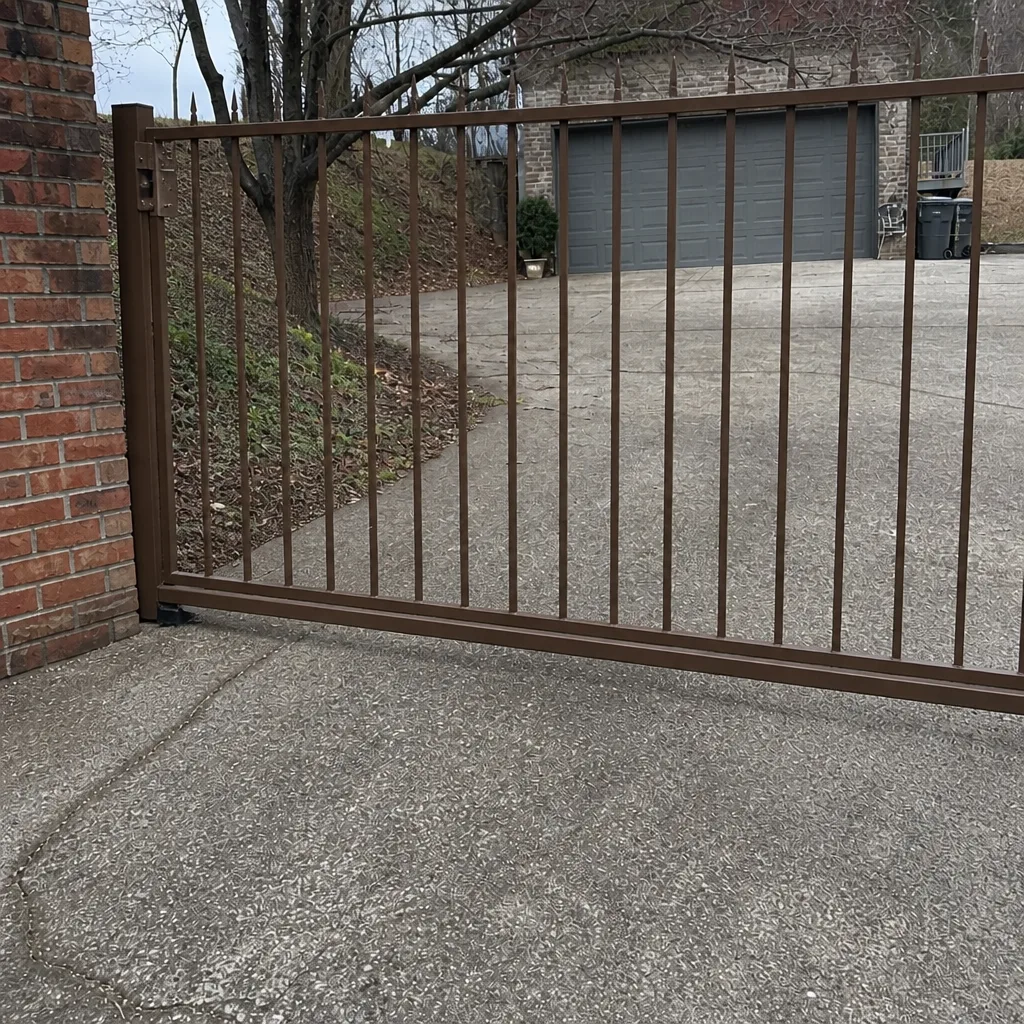
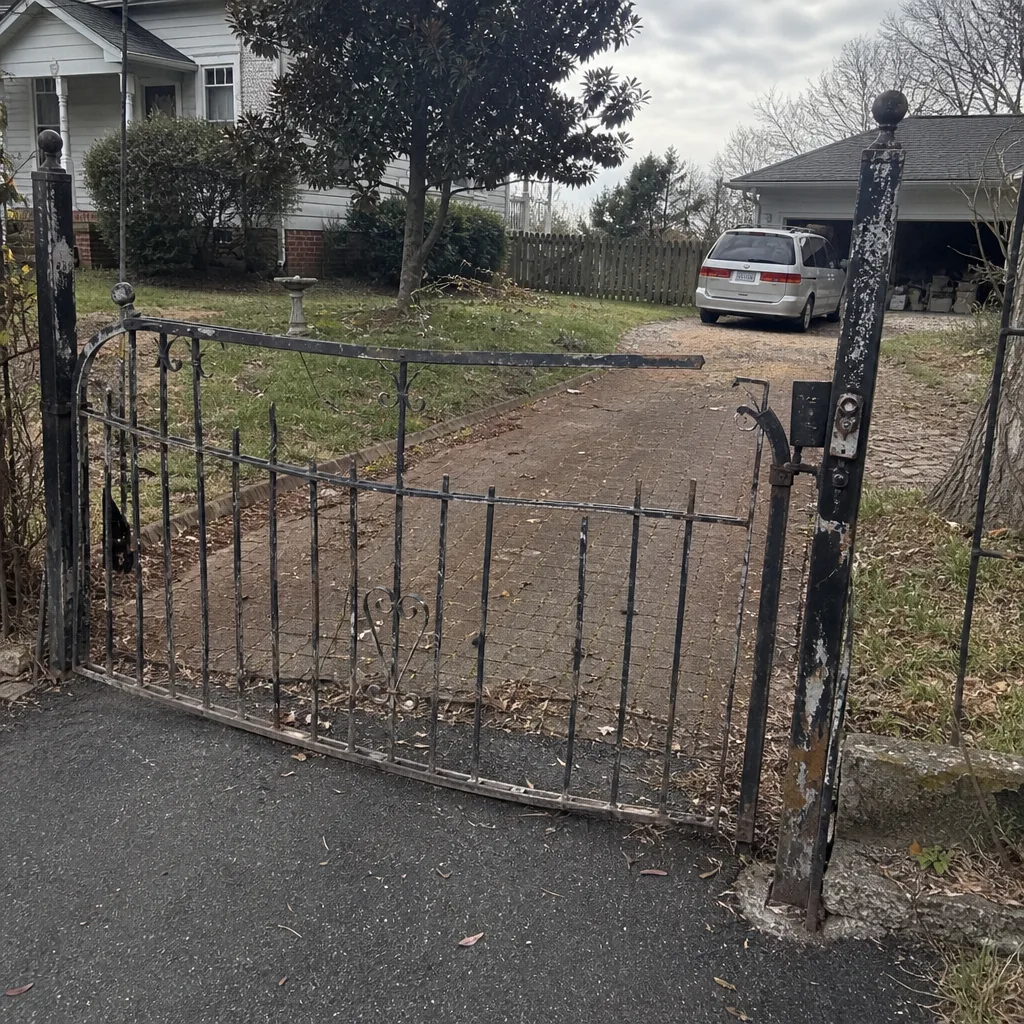
See the difference
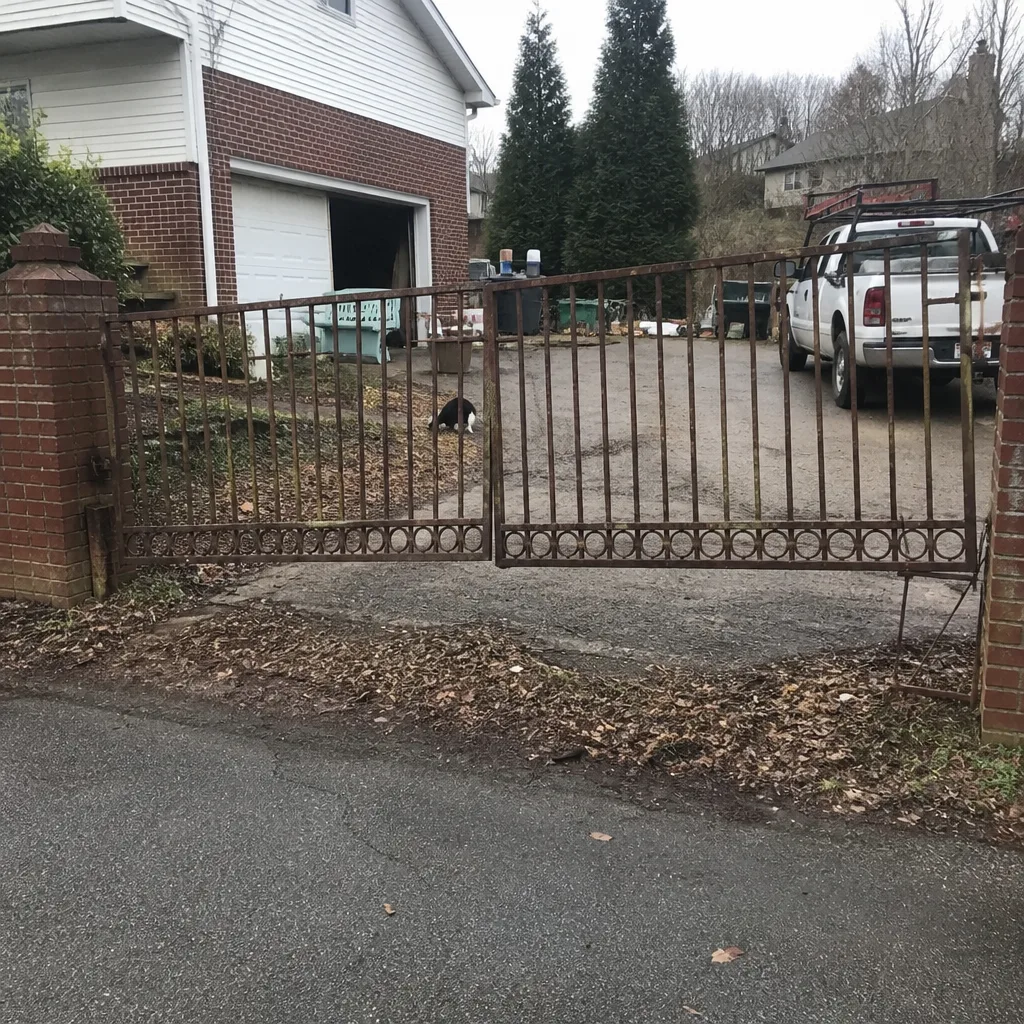 Before
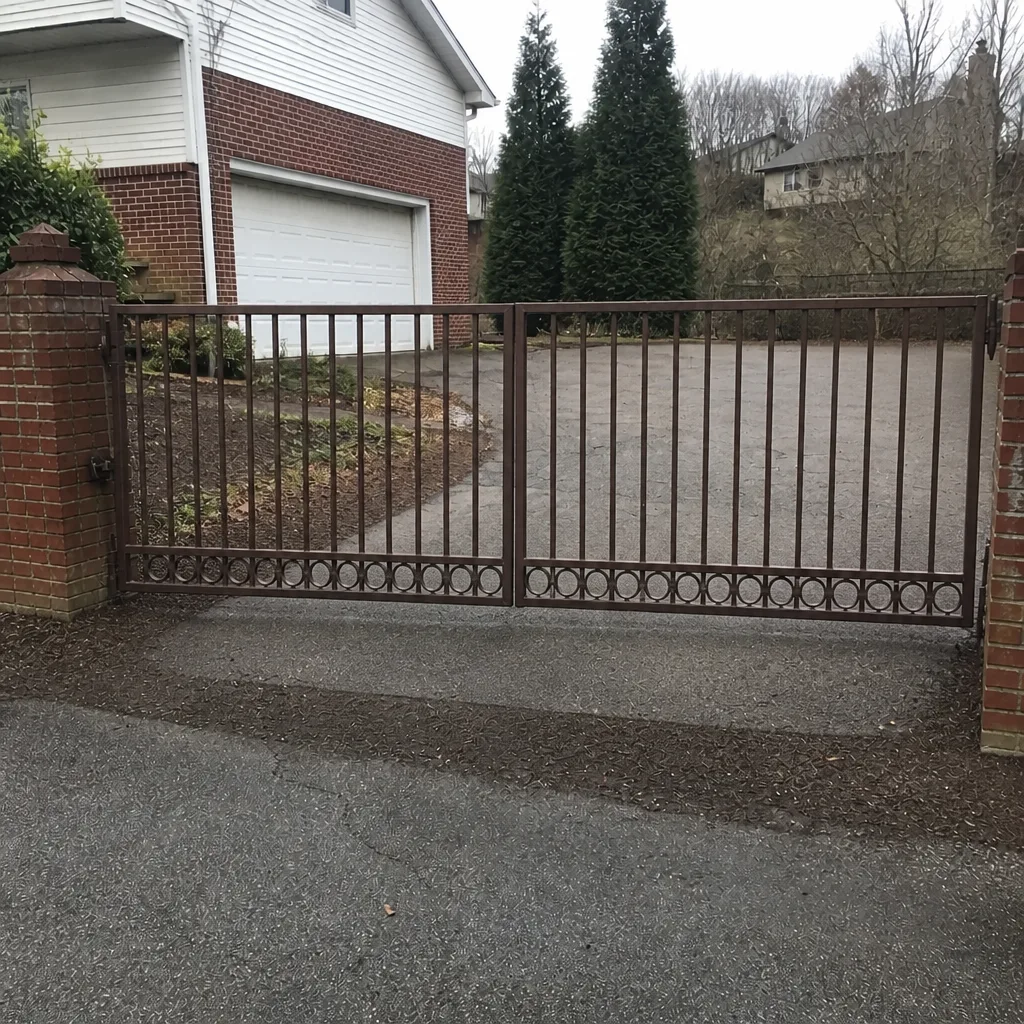 After
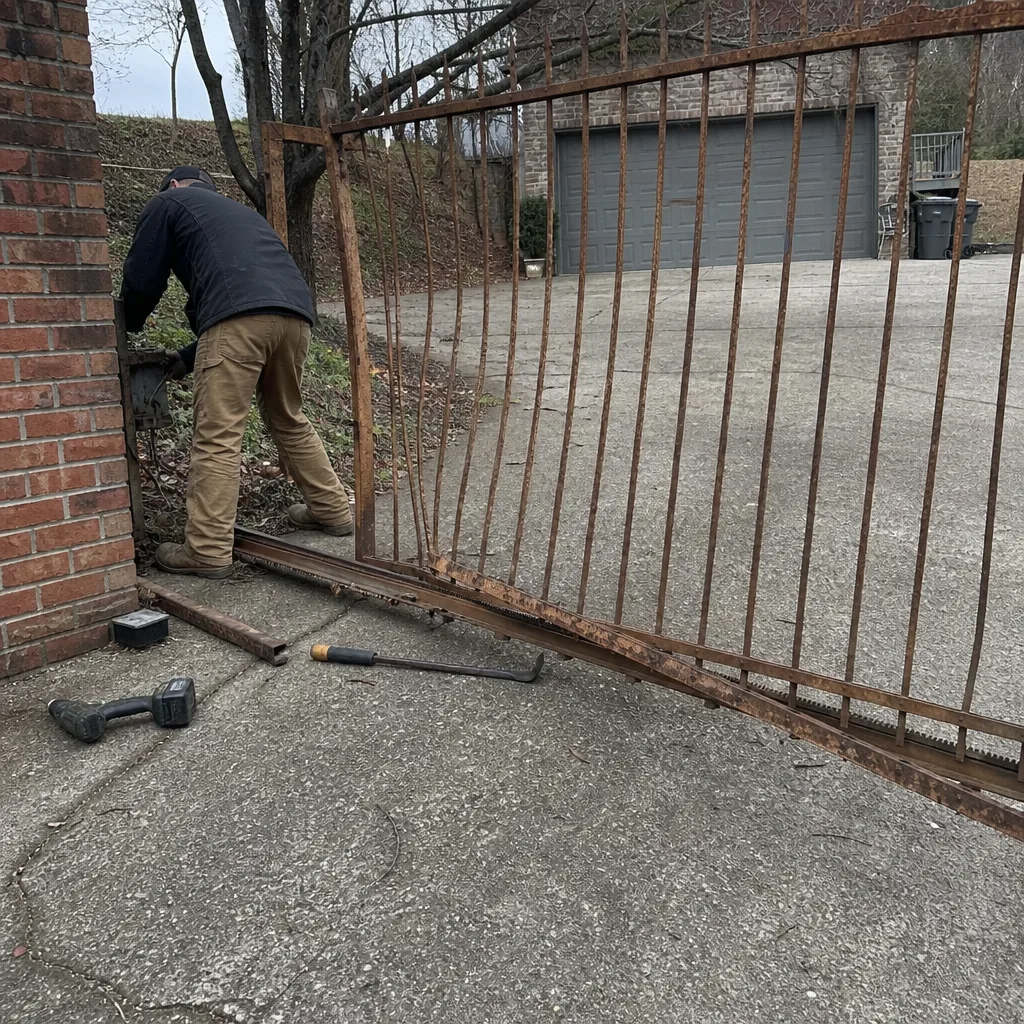 Before
 After
 Before
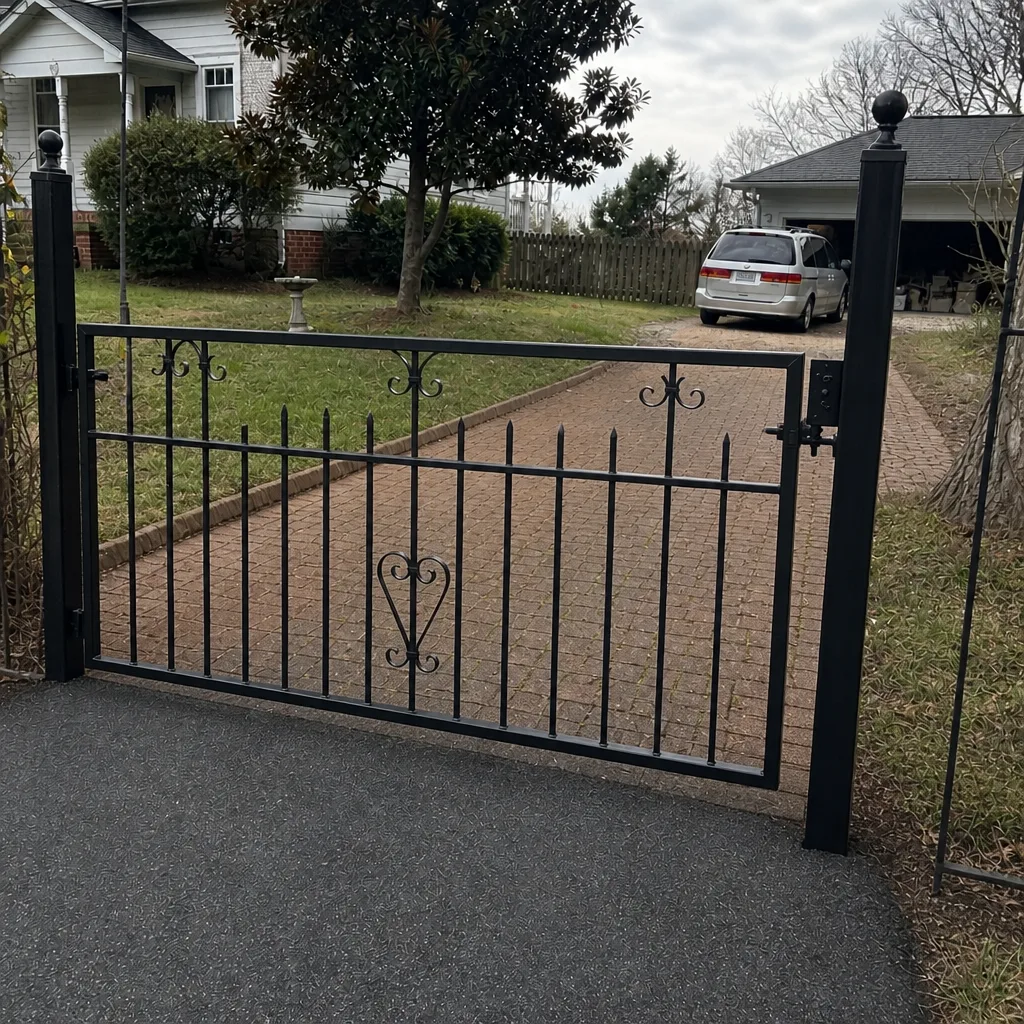 After
When to Call a Professional
Call a technician whenever the fault is inside the control enclosure, near live wiring, or after a reset doesn’t hold. Specifically: a breaker that keeps tripping, any sign of water or corrosion in the operator housing, a gate that won’t close even when nothing is in the path, a hard limit fault that a re-teach won’t clear, or a safety device you’ve found is damaged. Also call when the brand is unfamiliar and you don’t want to gamble on which manual applies. Beyond that, the age of the leaf and its hardware matters – a sagging swing gate can defeat a healthy motor no matter how clean the electronics are. Knoxville Gate Repair Pros offers free estimates in Knoxville – call (855) 337-0860. We answer 24/7, with fast dispatch from 7am to 7pm, Sunday through Friday.
Frequently Asked Questions
A gate that opens but won’t close is almost always a safety-device fault, not a motor problem. Misaligned photo eyes, a dirty lens, a damaged safety loop, or a broken edge sensor all tell the controller a person or vehicle is in the path, so it refuses to close. Check the eyes for alignment and obstruction first, and if the problem persists, it’s a technician job because testing loop and edge wiring requires a meter at live terminals. Call (855) 337-0860 for an exact quote – estimates are free.
Yes, in most cases. Corrosion on terminal blocks and board connectors is usually a connection problem rather than a dead board, and cleaning or replacing the landing points will restore proper operation. The fix also needs to address the moisture source – enclosure sealing, drainage, or operator placement – or the corrosion will return. Call (855) 337-0860 for an exact quote – estimates are free.
A soft limit fault lets the gate lose its travel reference, so it stops or reverses at the wrong point but still responds to commands. A hard limit fault means the switch, cam, or its wiring has physically failed, which often produces a gate that stalls at the end of travel or moves in only one direction. Soft faults can often be cleared by re-teaching the limits; hard faults need a technician. Call (855) 337-0860 for an exact quote – estimates are free.
In most cases, yes. We work across LiftMaster, FAAC, BFT, Linear, Viking, Ghost Controls, DoorKing, Elite, and Mighty Mule, so the hardware on your gate is likely already in our range. If you don’t know the brand, a photo of the operator label or the model plate is enough to identify it. Call (855) 337-0860 for an exact quote – estimates are free.
For a residential repair, yes, it’s best for you to be there to provide access and help us walk through the fault. For a commercial property or HOA gate, a property manager or authorized contact should be available to grant access and confirm the repair. Having the symptoms documented beforehand saves time on the visit. Call (855) 337-0860 for an exact quote – estimates are free.
Yes, and it’s worth noting that installation is a measured, scheduled job rather than a same-day repair. We’ll assess the opening, confirm the gate type and operator that fit, and put the price in a written estimate before any work starts. For a gate installation estimate, call (855) 337-0860 – estimates are free.
The most reliable fix is to address the enclosure itself: proper sealing, a gasket in good condition, and drainage away from the housing. If the operator sits in a spot that traps moisture, repositioning or a better-rated enclosure solves the root cause. Regular inspection of the terminals catches corrosion before it mimics a board failure. Call (855) 337-0860 for an exact quote – estimates are free.
A groaning, grinding, or squealing gate is usually telling you about the drive-mechanism layer: worn gearbox, dry pivot points, or a chain or rack that needs attention. Noise that keeps coming back after basic lubrication indicates a worn part that’s heading for a failure. It’s worth booking a visit before the gate stops entirely. Call (855) 337-0860 for an exact quote – estimates are free.
The Bottom Line
Most gate troubleshooting goes wrong because people chase the symptom instead of the system. Once you divide your gate into power supply, control board, drive mechanism, safety devices, and structural hardware, you can test in order and find the fault in a logical sequence. In Knoxville, humidity-driven corrosion on terminal blocks is the sneaky fault that mimics a dead board, and safety-device failures explain most “opens but won’t close” complaints. Some checks are safe to do yourself; anything inside the control enclosure or near live wiring is technician work. For anything beyond the safe list, Knoxville Gate Repair Pros connects you with local gate specialists across all nine brands, from the motor to the access panel.
Written by the team at Knoxville Gate Repair Pros.